The iPhone 12 series was the first suite of iPhones to feature 5G connectivity, bringing Apple squarely into the mix with competitors like Samsung's Galaxy phones.
Since then, all modern iPhones have 5G support, as the technology has become the predominant benchmark for mobile speed and performance.
Which iPhones are 5G-compatible?
All iPhone since released since 2020 are 5G-compatible, starting with the iPhone 12 series.
The current list of 5G-capable iPhones includes:
- iPhone Air
- iPhone 17 series (17, 17e, 17 Pro, 17 Pro Max)
- iPhone 16 series (16, 16e, 16 Plus, 16 Pro, 16 Pro Max)
- iPhone 15 series (15, 15 Plus, 15 Pro, 15 Pro Max)
- iPhone 14 series (14, 14 Plus, 14 Pro, 14 Pro Max)
- iPhone 13 series (13, 13 mini, 13 Pro, 13 Pro Max)
- iPhone SE (3rd generation)
- iPhone 12 series (12, 12 mini, 12 Pro, 12 Pro Max)
Most of these 5G iPhones are still available for purchase from the major carriers (Verizon, AT&T, T-Mobile), as well as a myriad of MVNOs. Just note that as newer iPhone series are released, the older ones are harder to find as Apple discontinues manufacturing of those models. The latest iPhones are often available at significant discounts through iPhone deals like free trade-in credits or buy one, get one offers.
iPhone 16 128GB
- 6.1 inch display
- Rear Cameras: 48MP, 12MP
- Front Camera: 12MP
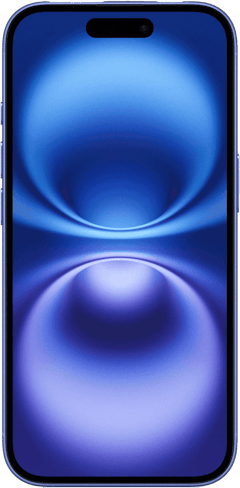
iPhone 18 Pro 256GB
- 6.3 inch display
- Rear Cameras: 48MP, 48MP, 48MP
- Front Camera: 18MP
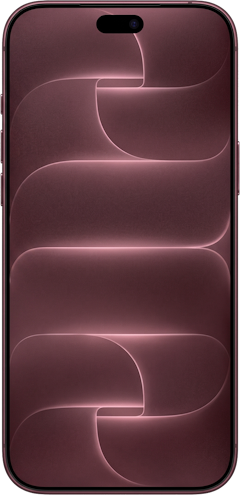
iPhone 18 Pro Max 256GB
- 6.9 inch display
- Rear Cameras: 48MP, 48MP, 48MP
- Front Camera: 18MP
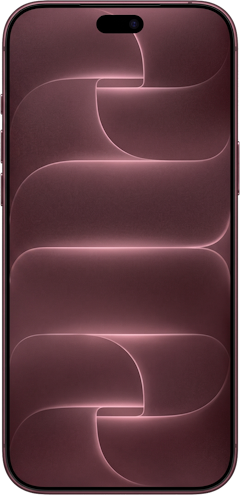
iPhone 18 Pro 512GB
- 6.3 inch display
- Rear Cameras: 48MP, 48MP, 48MP
- Front Camera: 18MP
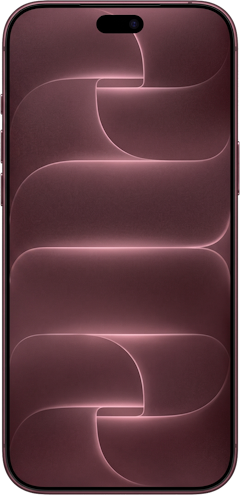
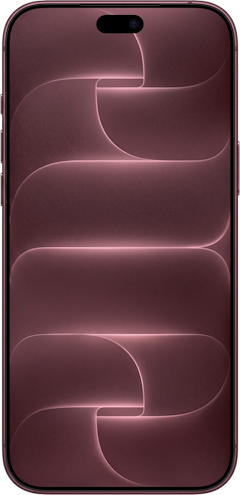
iPhone 18 Pro Max 512GB
- 6.9 inch display
- Rear Cameras: 48MP, 48MP, 48MP
- Front Camera: 18MP

What does 5G compatibility mean?
For a phone to be 5G-compatible, it must include the necessary radios and receivers to connect to a cell carrier's 5G network towers, transmitting voice and data between the device and the network.
As its name suggests, 5G is the fifth generation of cellular technology. It utilizes a broader range of frequencies than previous generations such as 4G LTE or 3G, resulting in faster, more efficient connections.
5G consists of three main frequencies:
- High-band (millimeter wave or mmWave) is the fastest signal, reaching potential mind-blowing speeds of 100X faster than 4G LTE. However, it's also the shortest signal and has trouble penetrating through objects (like walls), resulting in the smallest network footprint.
- Low-band 5G is by far the most available in the U.S., as it has the longest signal and therefore can cover a much broader area. The downside is that it delivers speeds just slightly faster than 4G LTE, leaving it far short of the "true" potential of 5G.
- Mid-band 5G is the sweet spot, delivering speeds significantly faster than 4G LTE as well as broader network coverage than mmWave 5G. While the major U.S. phone carriers initially bypassed mid-band 5G in their network roll-outs, it's become the most desirable band of 5G frequencies.
5G-compatible devices have the proper built-in technology to access these frequencies and deliver data across the carrier's network.
This is just a brief overview of the fascinating (and complicated) story of 5G—hop over to our complete guide to 5G for even more detail.
5G pros and cons
5G has a lot going for it: faster speeds, increased bandwidth/capacity, lower latency, and the possibility of eventually supporting entire home systems (maybe even replacing home internet as we know it).
But it's also still in its build-out stages, with inconsistency among the major carriers in what kind of 5G they've deployed and where you can access a 5G signal. If you're in a rural area, for example, 5G likely isn't a factor at all, so rushing out to purchase an expensive 5G iPhone likely wouldn't make sense. On the other hand, if you live or work in an urban area, having the speeds and connectivity of 5G could make your phone calls (and Zoom calls) that much speedier. Either way, you can always turn off 5G on Apple and Android and use 4G LTE if you are experiencing network issues.
Strengths
- Much faster data speeds
- Lower latency (delay)
- Bigger network capacity, meaning a lower risk of network congestion
- More affordable 5G devices are now available
Weaknesses
- Still in its relative infancy
- Carrier coverage is relatively limited
- Different network types/speeds for each carrier
- Some carriers only offer 5G connectivity with unlimited plans
5G phone plans
In order to connect to a 5G network with your iPhone, you’ll need a 5G phone plan. All modern cell phone plans include 5G access, though some may differ on which tier of 5G speeds you can access. Verizon, for example, offers access to its basic Nationwide 5G network for its lower-priced plans and reserves access to its mmWave-supported 5G Ultra-wideband network for its higher-tier (and more expensive) unlimited plans.
Here are some of the most popular 5G phone plans to support your latest iPhone.
|
Visible

$25 Visible Plan
$25.00/mo
Taxes & Fees included
|
|
Mint Mobile

Unlimited Data Plan
$10.00/mo
$60 for 6 months of service
|
|
Verizon

Simplicity Plan
$30.00/mo
+ Taxes & Fees. Price includes AutoPay & Bring a Number discount
|
|
US Mobile

Unlimited Starter Plan
$25.00/mo
|
|
T-Mobile

Experience Beyond 2.0
$100.00/mo
with Auto-Pay + Taxes and fees
|
Control your iPhone's 5G settings
You can choose whether to enable 5G on your iPhone when it's available. You may want the zippy speeds when you're trying to connect in a crowded area, for example, but wish to save your battery in other situations.
Your iPhone's 5G default setting is “5G Auto,” which is optimized for data usage and battery life. But you can customize your 5G settings for both voice and data use. These settings designate when you use 5G and how much 5G data you use. Here’s how to customize your 5G settings on your Apple iPhone:
- Navigate to “Settings.”
- Select “Cellular.”
- Tap “Cellular Data Options.”
Voice & data 5G settings
From the Voice & Data screen, you can choose how your iPhone 12 uses your carrier’s 5G network, which affects battery life.
- 5G On: Always uses 5G when it’s available, which may use up battery more quickly.
- 5G Auto: Your iPhone 12 automatically switches to 4G LTE when the 5G speeds in your area aren’t noticeably faster. This saves your battery life.
- LTE: Uses only your carrier’s 4G LTE network.
Data mode
From the Data Mode screen, you can choose how much 5G data your phone is using. This is particularly important for customers on a limited data plan or an unlimited data plan with a low data deprioritization threshold (such as 25GB or lower).
- Allow More Data on 5G: Enables high-data settings on apps, such as HD video quality on Apple TV and Apple Music and higher-quality FaceTime calls. You will use up your data more quickly on this setting.
- Standard: Uses standard quality settings for FaceTime and streaming apps and allows background tasks and automatic updates on cellular data.
- Low Data Mode: This setting decreases data usage by not allowing background apps to run and pausing automatic updates. This can be helpful if you’re trying to stretch your data further.
5G iPhones: FAQ
What iPhone has 5G capability?
All iPhones released since 2020 have 5G capability, starting with the iPhone 12.
How do I know if my iPhone is 5G-compatible?
If you've purchased an iPhone since 2020, it is 5G-compatible. You can also look in your phone's cellular settings (Settings > Cellular > SIMs > Primary) to see which network your phone can connect to.
Do 5G iPhones perform better?
5G iPhones perform better than those that don't support 5G technology, especially as most networks have transitioned to 5G as their primary technology. 5G iPhones will be faster and offer a smoother experience for data-related activities.
What is the best 5G iPhone?
The best 5G iPhone currently is the iPhone 17 series; specifically, the iPhone 17 Pro Max.
Lauren Hannula
Managing Editor

Thousands of cell phone plans unpacked. All the facts. No surprises.





.png?w=280&h=280&usm=20&usmrad=0.8&fit=crop "The Best Cheap Phone Plans for 2026: We Tested Them All to Help You Save")