Pixel 10

- Advanced photo software
- Excellent value
Samsung
Galaxy Z Flip7 5G

- Fast performance
- Flippable screen + pocket-sized
Upon each Apple iPhone release, the flagship devices prove to be some of the best phones on the market. But for those that don't want to go all-in on The Fruit's admittedly insular ecosystem, there are plenty of iPhone alternatives on the Android platform that deliver a powerful punch.
Our favorite Apple iPhone alternatives include the Samsung Galaxy S26, the Google Pixel 10, and the Samsung Galaxy Z Flip7. Each of these iPhone alternatives competes with Apple's cutting-edge features, with excellent camera systems, sturdy designs, and similar price points.
Best iPhone alternatives
| Samsung Galaxy S26 |
Google Pixel 10 |
Samsung Galaxy Z Flip7 5G |
|
|---|---|---|---|
| Screen | 6.3” |
6.3” |
6.9” (cover screen 1.9") |
| Cameras | 50MP wide 12MP ultra-wide 10MP telephoto 12MP selfie |
48MP wide 13MP ultra-wide 10.8MP selfie |
50MP wide 12MP ultra-wide 10MP selfie |
| Processor | Snapdragon 8 Elite Gen 5 |
Google Tensor G5 | Exynos 2500 |
| Storage | 256GB 512GB |
128GB 256GB |
256GB 512GB |
| RAM | 12GB | 12GB | 12GB |
| 5G support | Yes | Yes | Yes |
| Price | From $899 | From $799 | From $899 |
| View details | View details | View details |
Best iPhone Alternatives
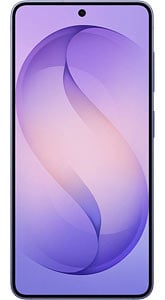
Samsung | Galaxy S26 | From $899—Best overall iPhone alternative
Samsung's phones have long been the go-to iPhone alternative, with the Galaxy line often going toe-to-toe with Apple in terms of price, features, and processing power. The Samsung Galaxy S26 is the latest iteration of the flagship series, and we think it's the overall best iPhone alternative for most folks.
The base model's $899.99 price tag runs higher than the base iPhone 17, but you get meaningfully more camera hardware for the money. While both phones sport a 6.3-inch display and 120Hz refresh rates, the S26's triple-lens rear array gives it a leg up over the iPhone 17's dual-lens system. Samsung also continues to lead on video resolution, with the S26 capable of capturing footage well beyond the iPhone 17's 4K ceiling.
When it comes to AI, both phones arrive with robust on-device assistants, but they take distinctly different approaches. The S26 leans into Galaxy AI's suite of productivity tools—Now Brief, Now Nudge, Photo Assist, and Gemini Live integration—while Apple counters with Apple Intelligence features like Visual Intelligence, Clean Up, and Live Translation. Neither has a clear knockout advantage here; it comes down to which ecosystem you're already in.
The one area where iPhone still holds an edge: Apple's A19 chip remains faster and more efficient than the S26's Snapdragon 8 Elite Gen 5 for Galaxy in raw benchmark performance, which can translate to snappier day-to-day responsiveness and slightly better sustained performance under load.
- Pros: 8K video recording; triple-lens rear camera array; enhanced AI software
- Cons: Slower processing performance than iPhone
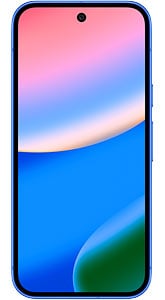
Google | Pixel 10 | $799—Best iPhone alternative for photography
Full disclosure: Our editors here at WhistleOut love the Google Pixel (despite most of us actually owning iPhones). We'll sing the Pixel's praises all the live-long day, and with good reason: This iPhone alternative offers arguably the best bang for your buck on the smartphone market.
The latest generation of the flagship series, the Pixel 10, features the new Google Tensor G5 processor and deep Gemini integration, making it one of the most capable AI-forward phones on the market. Its photography toolkit remains the star of the show: The Pixel 10 now packs a triple-lens rear array and an all-new 5x telephoto lens with up to 20x Super Res Zoom—a meaningful hardware upgrade over previous generations that brings it squarely in line with flagship competitors. Night Sight continues to deliver stunning low-light shots, and the AI editing suite has expanded well beyond the Pixel 7's Magic Eraser roots to include Magic Cue, Camera Coach, Ask Photos, and Remix. These tools let Gemini do the heavy lifting on everything from photo editing to proactive on-screen suggestions.
Despite being a premium device, the Pixel 10's $799 price tag is $100 lower than the base iPhone 17, and Google promises seven years of software updates and new features. The iPhone comparison is worth making on the camera front too: while both phones now offer a telephoto lens at the base model price, the Pixel 10's 5x optical reach outpaces the iPhone 17's 2x, and Night Sight remains one of the more acclaimed low-light experiences in Android photography.
- Pros: Competitive price for a flagship; industry-leading Gemini AI tools; new 5x telephoto camera
- Cons: Tensor G5 still trails Apple's A19 chip in raw benchmark performance; curved design can feel slippery in hand
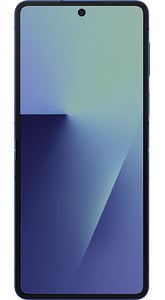
Samsung | Galaxy Z Flip7 5G | From $899—Best iPhone alternative flip phone
Let's be honest—who didn't love that satisfying *snap* you felt when you finished a call on your first flip phone? The introduction of the iPhone with its innovative block-style form factor was the harbinger of doom for the flip phone design—until Samsung brought it back with its Z Flip series.
Now on its seventh generation, the Galaxy Z Flip7 delivers the touch of nostalgia you've been craving—and a wonderfully pocket-friendly size when its 6.9 inches are folded in half. You don't even have to open the phone when calls or texts come through, thanks to the dramatically expanded 4.1" cover screen (up from just 1.9" on the Z Flip4) on the top of the device. In our testing, the screen maintained its integrity despite hundreds of flips, leaving no visible crease while offering a bright and detailed display. And best of all, you can prop it up to be its own tripod of sorts for the easiest selfies and video calls you've ever taken.
The biggest drawback for us: compared to other devices in the Galaxy lineup, the Z Flip7's camera offers just two lenses and delivers lackluster performance in low-light situations.
- Pros: Pocket-friendly size; outside screen offers quick info access
- Cons: Middling camera system; limited battery life
Methodology: How we picked the best iPhone alternatives
When considering which phones best compete with the iPhone, we first considered the most notable features of Apple's lineup, including the iPhone's processing power and its camera system. We then looked at the flagship devices across Apple's main competitors to evaluate which phones' respective features measured up to the iPhone's. We compared those devices' outright MSRP costs to the current flagship iPhone series to determine their value for the price. Lastly, we considered whether individual phones had completely unique features compared to the iPhone (like the flip-style design in the Galaxy Z Flip4 or gaming mode for the OnePlus 10 Pro).
Best smartphone deals
Regardless of which iPhone alternative you choose, smartphones are a big investment. Once you're ready to make the leap from the iPhone, our #1 tip for buying a new phone is to take advantage of available smartphone deals—especially if you're open to switching carriers. You can save hundreds if not thousands of dollars on the price of a brand-new smartphone by trading in your old device, porting in your number to a new network, or even buying two phones as part of a buy one, get one (BOGO) deal.
To get you started on your quest for an alternative to the iPhone, here are some of the most popular Android phones at a discount right now.
Moto G 5G (2026) 128GB
- 6.7 inch display
- Rear Cameras: 50MP, 2MP
- Front Camera: 32MP
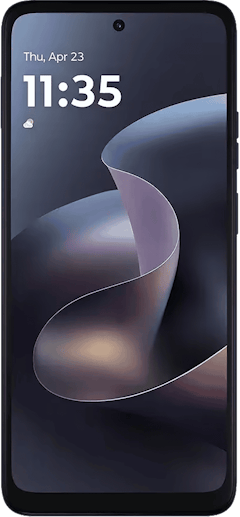
Galaxy A26 5G
- 6.7 inch display
- Rear Cameras: 50MP, 8MP, 2MP
- Front Camera: 13MP
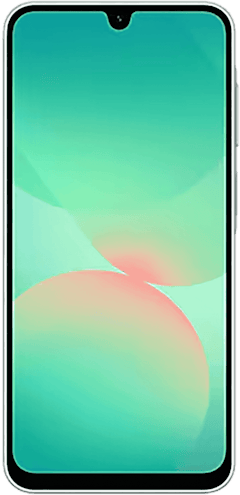
Galaxy A27 5G 128GB
- 6.7 inch display
- Rear Cameras: 50MP, 5MP, 2MP
- Front Camera: 12MP
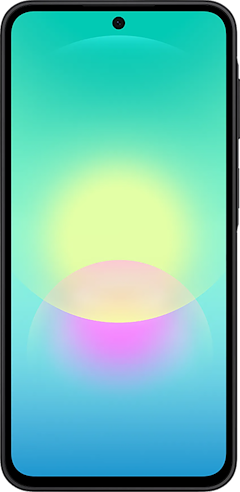
Galaxy A37 5G 128GB
- 6.7 inch display
- Rear Cameras: 50MP, 8MP, 5MP
- Front Camera: 12MP
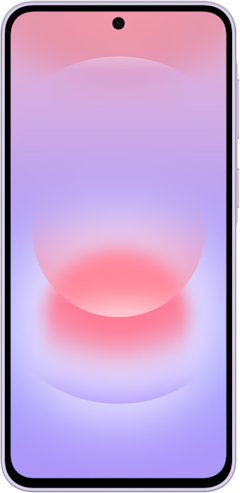
Edge (2026) 128GB
- 6.3 inch display
- Rear Cameras: 50MP, 50MP, 10MP
- Front Camera: 50MP
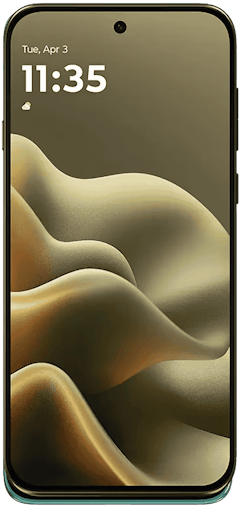

Best plans for iPhone alternatives
As mentioned, getting a new phone is a perfect time to sign up for a new phone plan, especially if it's linked to a smartphone deal. Our advice: go with an MVNO. Nowadays, unlimited plans from MVNO carriers are incredibly affordable—Visible and Mint Mobile each offer unlimited talk, text, and data for just $25-30/month, while still delivering excellent coverage coast to coast.
Conversely, the Big Three carriers (Verizon, AT&T, and T-Mobile) charge more for their plans, but they also provide a lot more in terms of included perks—T-Mobile, for example, will pay for a free subscription to Netflix and Apple TV+ with its Experience More plan (and Hulu to boot with Experience Beyond). And if you sign up for a family plan, you can bring the cost per line down significantly while still reaping the benefits of unlimited talk, text, and data between all sharers.
Here are some of the most popular options to choose from.
|
Boost Mobile

Unlimited Plan
$10.00/mo
with AutoPay
|
|
US Mobile

Unlimited Starter Plan
$10.00/mo
|
|
Mint Mobile

Unlimited Data Plan
$10.00/mo
$60 for 6 months of service
|
|
Lyca Mobile

Unlimited Plus Plan
$12.50/mo
Pay $12.50/month for the first 9 months<br>Regular rate is $49/month
|
|
Cricket

3-Month Unlimited Plan
$15.00/mo
$45 advance payment for 3 months (equals to $15/month)<br>regular rate for 3 months is $120 (equals to $40/month)
+ $9.99 Upfront
|
Best iPhone alternatives: FAQs
What is a good substitute for an iPhone?
If you want a similar premium experience without the Apple ecosystem, Android flagships like the Samsung Galaxy S series or Google Pixel phones are among the best iPhone alternatives.
Which smartphone has the best value?
The smartphone with the best value typically balances price, performance, camera quality, and software support. Midrange devices like the Google Pixel A-series, Samsung Galaxy A-series, and OnePlus Nord models are often considered the best value smartphones because they deliver strong performance and excellent cameras at a lower price than flagship phones.
How do I trade in my phone for a new phone?
To trade in your phone for a new phone, you can either purchase the new device online or in person. If you purchase it online, you'll receive instructions on how to activate your existing number on your device and turn in your old one once the new one arrives. If you purchase the new phone in store, the sales agent will walk you through the process then and there.
Lauren Hannula
Managing Editor

Thousands of cell phone plans unpacked. All the facts. No surprises.




.png?w=280&h=280&usm=20&usmrad=0.8&fit=crop "The Best Cheap Phone Plans for 2026: We Tested Them All to Help You Save")