Stress has a way of showing up whether you're ready for it or not—at work, at home, or just in the quiet moments when your brain won't slow down. The good news is you can find several ways to ease anxiety or usher in some peace—and they're right in the palm of your hand.
I spent a month testing the top 10 most downloaded mental health apps to see if they actually help. Based on my experiences, here are the best mental health apps for iPhone and Android to manage stress, find quiet moments, and connect with professional support when you need it.
Why you can trust WhistleOut
.svg)
15+
years of mobile industry experience

900+
published wireless guides

35+
firsthand carrier reviews
We've been around since the birth of the iPhone. Along the way, we've learned how to spot the best deals for your wallet (and your sanity). We spend our days researching informative guides and writing insightful reviews on every kind of wireless plan, distinguishing what matters from what doesn't. We played around with these plans before recommending them, ensuring they're worth your hard-earned money.
Want to know more? Check out how we review every cell phone plan we rank.
 How I tested the best mental health apps
I spent a full month testing the 10 most downloaded mental health apps for iPhone and Android to see how well they address stress, anxiety, and depression.
The features and scenarios I tested included the following:
- Following guided meditations
- Looking after my self-care virtual pet
- Listening to sleep stories
- Completing a professional anxiety track
- Analyzing my personal behaviors
- Assessing virtual therapy sessions
- Chatting with mental health listeners
Best meditation apps: For finding calm and quiet
Headspace: Your guide to mindfulness
Free from Apple and Android, ad-free subscriptions available.
Headspace is an excellent choice for beginners with no prior meditation experience. The app walks you through the entire process with the goal of helping you build a consistent meditation practice for your daily life. You’ll be able to work through basic or advanced courses that teach foundational skills. Grounding exercises, breathing techniques, and visualizations are only a few of the techniques Headspace can teach you. Plus, its short "SOS" sessions are perfect for managing seasonal stress too.
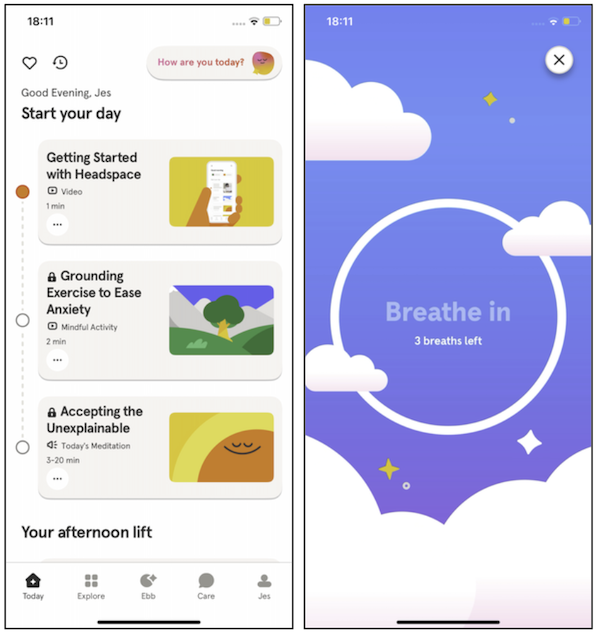
Image: Jessica Santero | WhistleOut
Headspace offers a free version, but be prepared for frequent messages encouraging you to upgrade to its $12.99/month premium subscription. If you decide to upgrade, the paid plan includes the full library of themed meditations, sleep guidance, and expert-level exercises.
Unlimited data for your mental well-being
Staying connected to your mental health apps requires a consistent data connection. An unlimited data plan removes the stress of monitoring your usage and running out of data.
Rest assured that you can join a live therapy video call, download a new meditation pack, or check in with your support community at any time with unlimited data. Read up on mobile data usage in our guide to see how much data you really need for your digital habits.
Ready to upgrade? Check out the most popular unlimited data plans below:
|
#1
|
Visible

$25 Visible Plan
$25.00/mo
Taxes & Fees included
|
|
#2
|
Mint Mobile

Unlimited Data Plan
$25.00/mo
$75.00 upfront payment for 3 months (equals to $25.00/month). Intro pricing for new customers only.
|
|
#3
|
XFINITY Mobile

Mobile Select Plan
$0.00/mo
(for the first year of service) <br>Regular rate of $30/mo. thereafter
|
Happier Meditation: Mindfulness for skeptics
Free trial on iPhone and Android, subscribe for $14.99/month to continue.
Happier (previously known as Ten Percent Happier) is designed for anyone curious about mindfulness but skeptical of overly spiritual approaches. The app focuses on practical meditation plans and straightforward courses taught by respected teachers and scientists. Its topics are highly specific, with plans like "Managing Anxiety" and "Dealing with Difficult Relatives.”
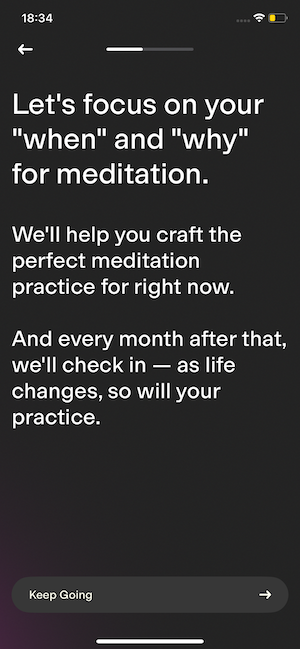
Image: Jessica Santero | WhistleOut
The app provides a free trial to get you started, but full access to its entire library of courses and podcasts requires a $14.99/month subscription. You can learn from a diverse group of expert teachers on Happier, not just a single instructor. The app organizes teachings into structured courses that begin with introductory videos. You can easily meditate on the go, too. It's the best choice if you want to understand how and why meditation works.
Best apps for stress and anxiety relief
Happify: Building resilience through activity
Free from Apple and Android. Premium costs $14.99/month.
Happify offers a unique, interactive approach to building mental resilience, or the ability to bounce back from life's challenges. Instead of traditional meditation, it uses science-based games and activities to help you reframe negative thoughts.
The Happify process begins with very detailed questionnaires that create a personalized track based on your current mental state and goals. As you complete different exercises and sessions, the app walks you through each step in your therapy. My personal track was geared to workplace focus and advancement goals.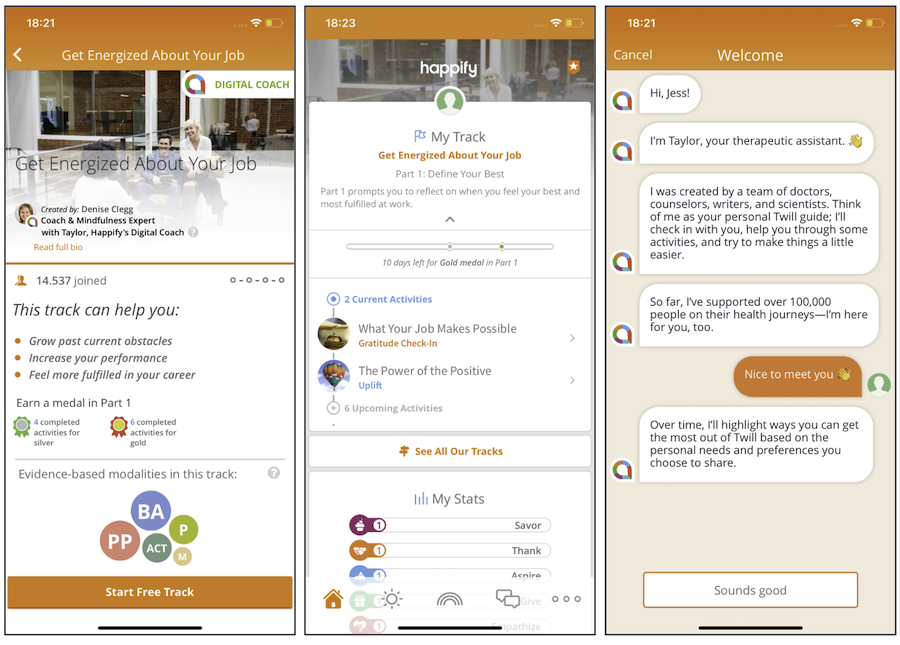
Image: Jessica Santero | WhistleOut
Get started with Happify’s free activities. While they may be limited, at least you can enjoy a small selection of exercises to begin your healing journey today. However, the $14.99/month paid subscription unlocks the platform's full depth, including unlimited access to all its different pathways and games. If you’re looking for therapy with qualified individuals, Happify might not be the best pick. This app relies on pre-programmed AI responses rather than a live coach. That said, Happify is a refreshing and effective alternative if you want a more active, data-driven way to build mental strength.
Don’t stress over your phone bill. Switch to an MVNO and save.
You can get the same reliable coverage you're used to without the premium price tag. Mobile virtual network operators (MVNOs) use the same major networks as Verizon, T-Mobile, and AT&T, but they offer plans at a fraction of the cost. This means you can get consistent service for calling, texting, and using your favorite mental health apps, all while enjoying predictable billing with no surprise fees or overage charges.
Here are the best MVNO plans on the market:
|
#1
|
Visible
$25 Visible Plan
$25.00/mo
Taxes & Fees included
|
|
#2
|
Mint Mobile
Unlimited Data Plan
$25.00/mo
$75.00 upfront payment for 3 months (equals to $25.00/month). Intro pricing for new customers only.
|
|
#3
|
XFINITY Mobile
Mobile Select Plan
$0.00/mo
(for the first year of service) <br>Regular rate of $30/mo. thereafter
|
Clarity: CBT self-help journal with science-backed therapy

Clarity is a smart mental health journal that tracks your moods and thoughts, not just a depression app. Its data-driven method helps you see your mental well-being improve over time. By using Cognitive Behavioral Therapy (CBT) to explain your habits, Clarity gives you insights into why you act and respond the way you do.
The process begins with a detailed introductory questionnaire that the app analyzes to map your starting point. As you progress, it provides clear visuals and graphs of your therapeutic evolution. This guided process walks you through each step, making the journey of self-improvement feel structured and supported.
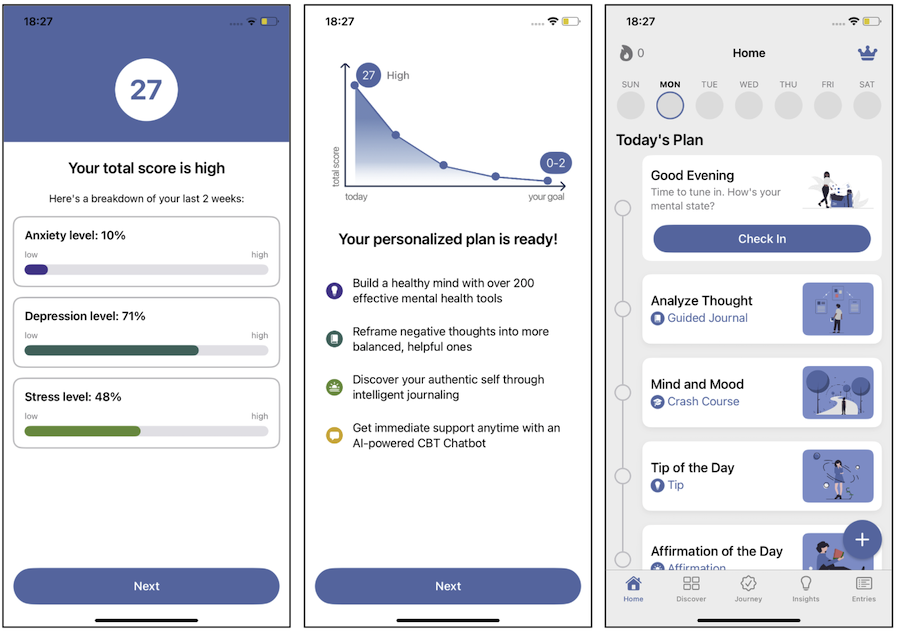
Image: Jessica Santero | WhistleOut
After testing several therapy apps, Clarity was the only platform that offered analytic graphics of my projected evolution backed by science. It’s the best free therapy app, so you can get help at no cost.
Best online therapy apps for professional support
Talkspace: Full access to a licensed therapist

Available on iPhone and Android. Pricing varies depending on your sessions.
Talkspace directly connects you with a licensed therapist for help around the clock. Unlike other self-guided AI therapy apps, it actually matches you with a professional from a variety of specialties. Talkspace offers therapy for adults, teens, and even couples.
After a short assessment, you can message your therapist via text, send audio notes, or connect over video at any time. It’s convenient since you can contact a professional to share your feelings in real-time after a stressful event or conflict. Better yet, if your preferred therapist isn’t available, there is always another health professional you can count on.
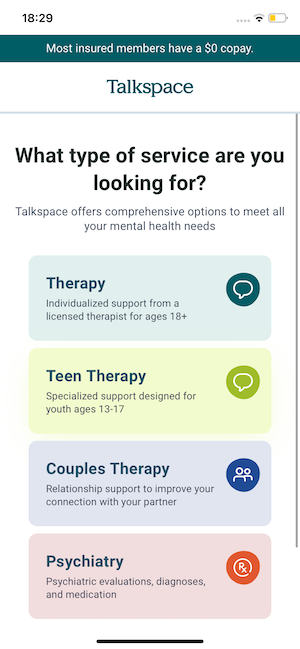
Image: Jessica Santero | WhistleOut
Talkspace lets you choose your therapy based on your budget. You can choose text-based messaging or opt for live sessions in your plan. Pricing varies depending on the services you choose. The good news is your insurance provider might cover the costs. Make sure to check out your in-network options and included programs. While therapy in itself is a financial investment, Talkspace provides personalized support that free apps don’t offer.
Treat yourself to a bigger screen for live sessions
Upgrading to a phone with a larger, more immersive screen can transform your teletherapy experience. A bigger display makes it easier to focus and feel truly present during your sessions, helping you stay engaged and accountable to your mental health goals. With this clearer, more personal connection to your therapist, you won’t feel like you're missing the benefits of an in-office visit.
Check out the most popular phones available now:
Moto G 5G (2025) 128GB
- 6.7 inch display
- Rear Cameras: 50MP, 2MP
- Front Camera: 16MP

Moto G 5G (2026) 128GB
- 6.7 inch display
- Rear Cameras: 50MP, 2MP
- Front Camera: 32MP
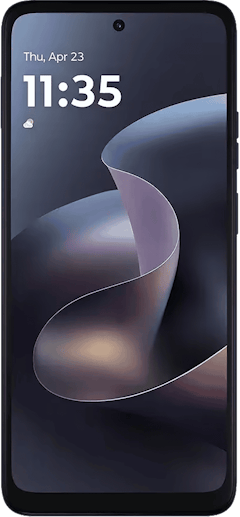
Galaxy A26 5G
- 6.7 inch display
- Rear Cameras: 50MP, 8MP, 2MP
- Front Camera: 13MP

BetterHelp: Flexible and accessible counseling
Available on iPhone and Android. Pricing varies by session.
BetterHelp has become one of the most recognizable online therapy platforms on the market. You may have even heard about it (just like I did) from your favorite YouTubers. BetterHelp is the top therapy app due to its therapist-matching system. Whether you're navigating family conflict, struggling with grief, or feeling anxiety, you can count on this app to get you the best help.
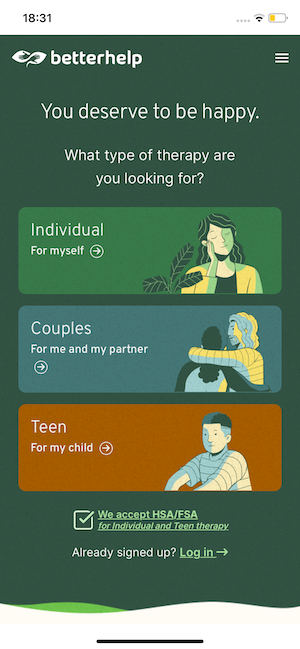
Image: Jessica Santero | WhistleOut
BetterHelp provides support through individual video sessions, all-day chat, messaging for crises, and even group webinars. Expect to pay by the session, so pricing varies. That said, you can find therapists who offer services for every budget.
Once you connect with a professional, you also get access to BetterHelp’s unlimited messaging and regular live sessions.
As a dedicated channel to professional care, it offers accessible help during demanding seasons.
7 Cups: Find a listener or join a support community

Free versions from Apple and Android. More features with the $12.99/month subscription.
7 Cups specializes in immediate emotional support through its community. You can join live, anonymous chat rooms for group support or connect one-on-one with a trained listener for a private conversation—all for free. You can also opt for more structured guidance on 7 Cups as well. The premium subscription costs $12.99/month for access to therapy sessions with licensed professionals.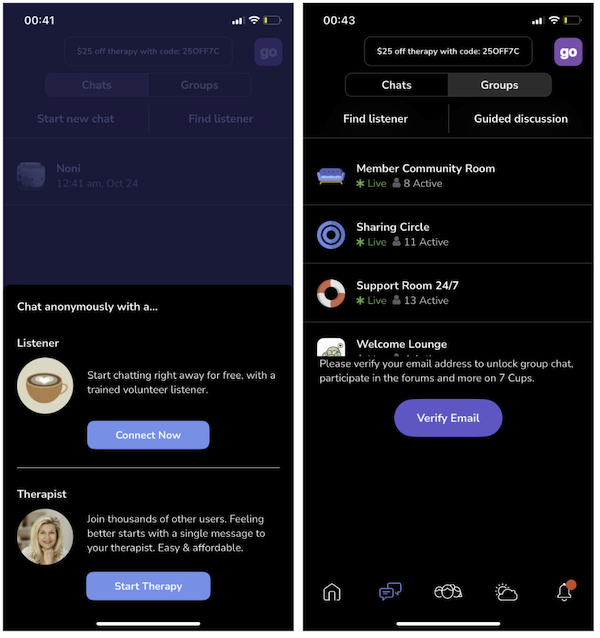
Image: Jessica Santero | WhistleOut
The free tier makes 7 Cups a vital resource for combating loneliness, stress, and seasonal depression. We all have moments when we simply need a compassionate ear during stress. While you can pay for professional therapy sessions, the platform's community-driven support offers real connections when you need them most.
Best apps for sleep (or when you can't turn off your brain)
Calm: For sleep and serene moments
Free trial on iPhone and Android. Subscribe for $16.99/month.
Calm serves as a dedicated sleep and relaxation app that you can access from any device. It’s the only meditation platform that boasts a library of high-quality audio sleep aids and is one of the best brain health apps on the market.
I really appreciated its narrated "Sleep Stories" voiced by celebrities in Calm’s free trial. It was very soothing to hear voices I recognized from the Silver Screen in my earbuds while resting in bed. If you don’t want voices, you can opt for immersive soundscapes or curated music playlists for meditation.
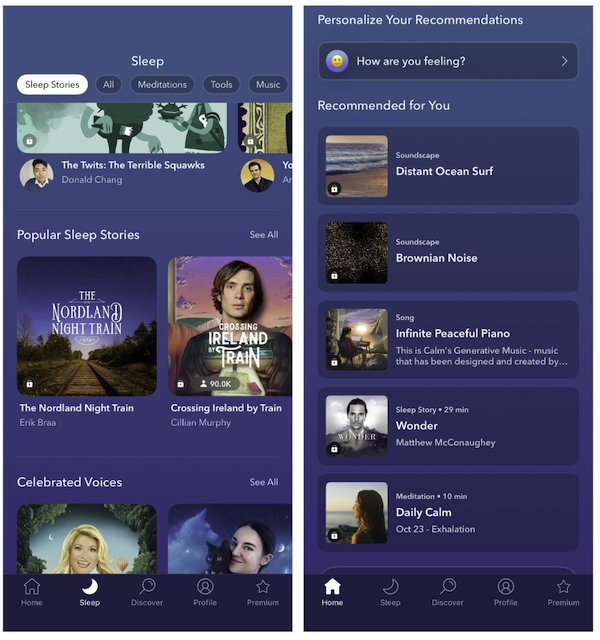
Image: Jessica Santero | WhistleOut
It's important to know that Calm operates almost entirely as a subscription service, with its premium plan costing $16.99/month. It’s one of the more expensive meditation apps on the market, but it’s worth it if your main goal is to effectively combat stress—and get a good night’s sleep.
Downgrade to a dumbphone for better sleep
Switching to a basic phone can be the simplest and most effective way to improve sleep. By removing the endless distractions of social media, emails, and notifications, a dumbphone creates a peaceful environment for your mind to unwind. You'll eliminate the blue light from smartphone screens and the mental stimulation of smartphones, making it much easier to fall asleep and enjoy a truly restful night.
Read our guide on the best dumbphones this year to help you choose, or check out these simpler phones below:
Moto G 5G (2025) 128GB
- 6.7 inch display
- Rear Cameras: 50MP, 2MP
- Front Camera: 16MP
Moto G 5G (2026) 128GB
- 6.7 inch display
- Rear Cameras: 50MP, 2MP
- Front Camera: 32MP
Moto G Power (2025) 128GB
- 6.8 inch display
- Rear Cameras: 50MP, 8MP
- Front Camera: 16MP
Gamified self-care apps
Finch: Your self-care tamagotchi

Finch combines self-care with a virtual pet. You complete real-world self-care goals—like taking a walk, drinking water, or practicing a breathing exercise—to earn energy for your Finch. As you progress, you help it grow and explore a virtual world. This gamified approach provides a tangible sense of reward and motivation, making the concept of self-care feel fun and instantly gratifying. It’s great for building healthy daily routines during chaotic times.
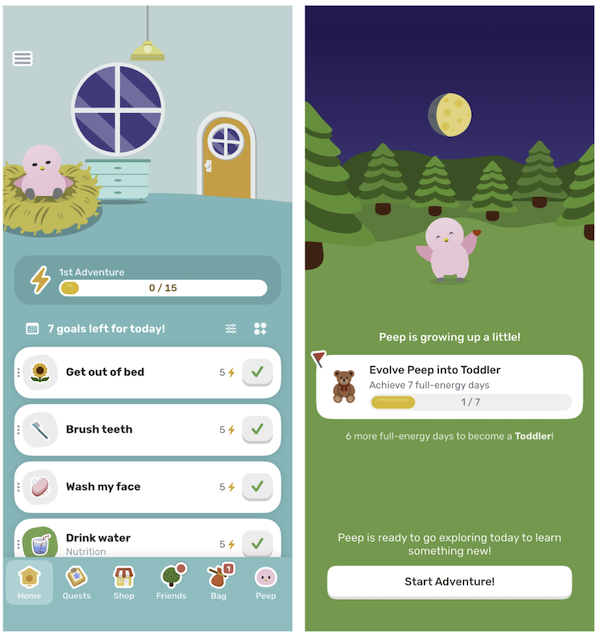
Image: Jessica Santero | WhistleOut
Care for a little bird by meeting your own well-being needs. Completing tasks like taking three breaths, calling a friend, or doing something that makes you happy feeds your bird and helps it grow. To keep you on track, you can add the fInch widget to your phone’s homescreen. You also earn rainbow stones to trade for accessories and furniture, making the reward system even more engaging. While the free version is incredibly generous, the $9.99/month subscription gives you even more customization and access to more accessories.
MyPossibleSelf: Your wellness app

MyPossibleSelf offers an interdisciplinary approach to mental wellness, providing separate tools you can combine based on your needs. Instead of following a single program, you build your own routine by mixing tasks. They include daily check-ins with breathing exercises, mood journaling, and feeling questionnaires. You can easily adapt your methods to specific stressors, like overspending and relationship tension.
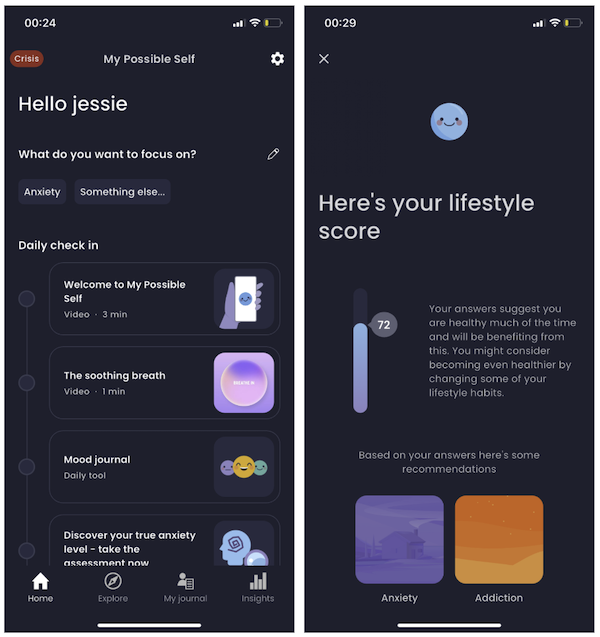
Image: Google Play Store
MyPossibleSelf is completely free. All of its tracking tools and educational content are available without a subscription. This accessible design makes it an excellent choice for actively managing your well-being.
Best mental health apps: FAQs
What is the number one mental health app?
Headspace is the most popular mental health app for meditation, while Calm remains a top choice for sleep support. For help from licensed professionals, platforms like Talkspace and BetterHelp offer video-call therapy, and apps like Finch and Happify provide gamified daily self-care.
What is the 3-month rule in mental health?
The 3-month rule in mental health is the amount of time you have to wait to see if your treatment is working. If you decide to use one of the apps we listed, stick with it for three months to see an effect.
Do mental health apps really work?
Mental health apps work well as complementary tools, but should never replace professional care for serious conditions.
Is Calm really a free app?
No, Calm is not a completely free app, but it offers a free version with limited content and a 7-day free trial for the premium version.
Is Calm or Headspace better?
Headspace is better for beginners who want structured meditation courses, while Calm is better if you prefer a wide variety of relaxing content like sleep stories and music.
Jessica Santero
Staff Writer

Find a better phone plan
Thousands of cell phone plans unpacked. All the facts. No surprises.


.png?w=280&h=280&usm=20&usmrad=0.8&fit=crop "Best Cell Phone Deals for June 2026: Get the New iPhone 17 for Free")