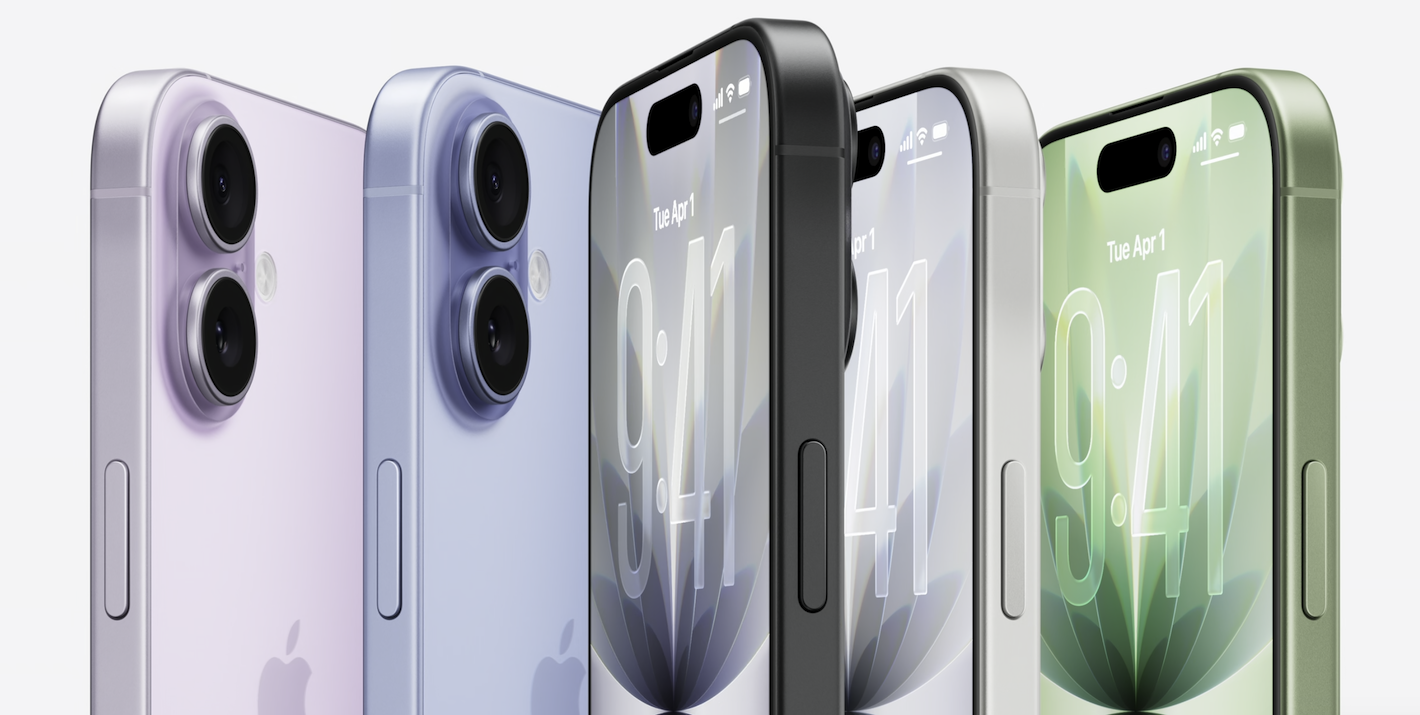
Apple’s iPhone 17 offers some improvements over the iPhone 16, but not enough to make it worth the upgrade. A smoother 120Hz display, better battery life, and upgraded cameras are the highlights of the base 17 model. But for most iPhone 16 owners, the iPhone 17 doesn’t hold any game-changing upgrades. The core experience remains nearly identical between the iPhone 17 and 16. Unless you absolutely need the latest specs, your iPhone 16 is still a top-notch phone.
The only model that might be worth an upgrade is Apple’s redesigned iPhone Air. But the Air’s flashy new look comes at a cost, including lower battery life and a single rear camera. Otherwise, we recommend passing on this year’s upgrade. Your iPhone 16 delivers almost the same performance as the 17, without the extra cost. Plus, the iPhone 16 is now priced $100 lower, making it an even smarter value for anyone looking to upgrade from an older model without overspending.
iPhone 17 vs. iPhone 16 outright pricing
As is tradition with a new Apple iPhone launch, the company dropped the price of its previous generation on the iPhone 17 release date. The iPhone 17 and iPhone 16 followed this trend.
As the latest iPhone, the iPhone 17 is the more expensive device, starting at $799 for 256GB. You can also opt for 512GB of storage, raising the price to $999.
iPhone 17 256GB

| Description | |
|---|---|
| Screen Size | 6.3" |
| Available On | 173 Plans from 20 carriers |
| Available From |


|
| Priced From | $929.99 upfront |
| View Full Details |
 Apple's 2025 model featuring Improved Apple Intelligence with iOS26, custom-designed A19 Bionic chip, Brighter display with ProMotion up to 120Hz refresh rate, and the new iPhone 17 camera system.
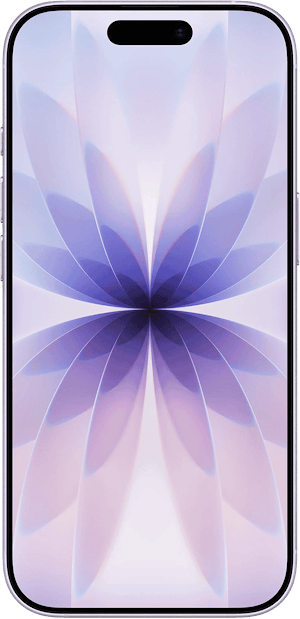
Having received a $100 price drop, the iPhone 16 is now $699 for 128GB. As the more affordable option, the iPhone 16 is a practical choice for customers watching their budget. While it lacks the very latest features, it still delivers strong performance and modern Apple capabilities at a lower cost.
Customers opting for the iPhone 16 will miss out on the iPhone 17's smoother 120Hz display, enhanced camera upgrades, and slightly faster A19 Pro chip. However, if you don't need those refinements, the iPhone 16 remains a powerful device with excellent battery life, Apple Intelligence support, and a premium build. Essentially, you have the same device without the expense of an upgrade.
iPhone 16 128GB
| Description | |
|---|---|
| Screen Size | 6.1" |
| Available On | 160 Plans from 17 carriers |
| Available From |
|
| Priced From | $829.99 upfront |
| View Full Details |
 Apple's 2024 model featuring their new Apple Intelligence with the custom-built A18 Bionic chip and the new iPhone 16 camera system.
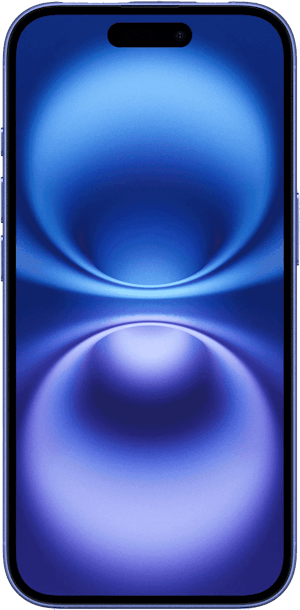
iPhone 17 vs. iPhone 16 specs compared
At a glance, the iPhone 17 and iPhone 16 share nearly identical designs and core features. A side-by-side spec comparison confirms that both devices deliver a premium experience with only minor improvements in this year’s model.
Check out the iPhone 16 vs. iPhone 17 comparison for yourself:
iPhone 16 vs. iPhone 17: Specs comparison
| iPhone 17 | iPhone 16 | |
|---|---|---|
| Starting price | From $799 | From $699 |
| Display | 6.3”
120Hz Super Retina XDR |
6.1” 60Hz Super Retina XDR |
| Processor | A19 chip | A18 chip |
| Main camera | Dual-lens 48MP main @ ƒ/1.6 48MP ultra-wide @ ƒ/2.2 2x optical/5x digital zoom |
Dual-lens 48MP fusion @ ƒ/1.6 12MP ultra-wide @ ƒ/2.2 2x optical/5x digital zoom |
| Selfie camera | 18MP @ ƒ/1.9 |
12MP @ ƒ/1.9 |
| Video recording | 4K HDR
Cinematic mode (up to 4K) Macro video recording |
4K HDR Cinematic mode (up to 4K) Macro video recording |
| Internal memory | 256GB
1TB |
128GB 256GB 512GB |
| Battery life | Up to 30 hours playback | Up to 22 hours playback |
| Charging | USB-C MagSafe up to 25W | USB-C MagSafe |
| Colors | Lavender
Sage Mist Blue White Black | Black White Pink Teal Ultramarine |
The iPhone 17 does include a few enhancements, but nothing groundbreaking. Its display now supports a smooth 120Hz adaptive refresh rate, and the A19 chip offers a slight boost in processing power for demanding apps and gaming. Camera improvements include a 48MP ultra-wide lens and 18MP front camera. It’s all paired with a slightly more efficient battery that provides a bit more endurance throughout the day.
That said, everyday performance feels largely the same between the iPhone 17 and 16. If you already own an iPhone 16, you’re not missing out on any major functionality changes or revolutionary advancements. But if you’re upgrading from an older model or value the latest display and camera refinements, the iPhone 17 represents a continued evolution of an already excellent device.
Save on a new iPhone
Major carriers are offering serious discounts on the iPhone 17, iPhone 16, and older models. T-Mobile, AT&T, and Verizon are providing trade-in credits and steep discounts that can significantly lower the upfront cost. It’s one of the easiest ways to get a new iPhone without paying full price.
Check out the best iPhone deals for maximum savings.
iPhone 17 256GB
- 6.3 inch display
- Rear Cameras: 48MP, 48MP
- Front Camera: 18MP
iPhone 17 512GB
- 6.3 inch display
- Rear Cameras: 48MP, 48MP
- Front Camera: 18MP
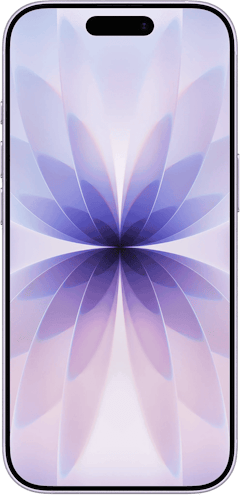
iPhone 17 Pro 256GB
- 6.3 inch display
- Rear Cameras: 48MP, 48MP, 48MP
- Front Camera: 18MP

Display and design changes
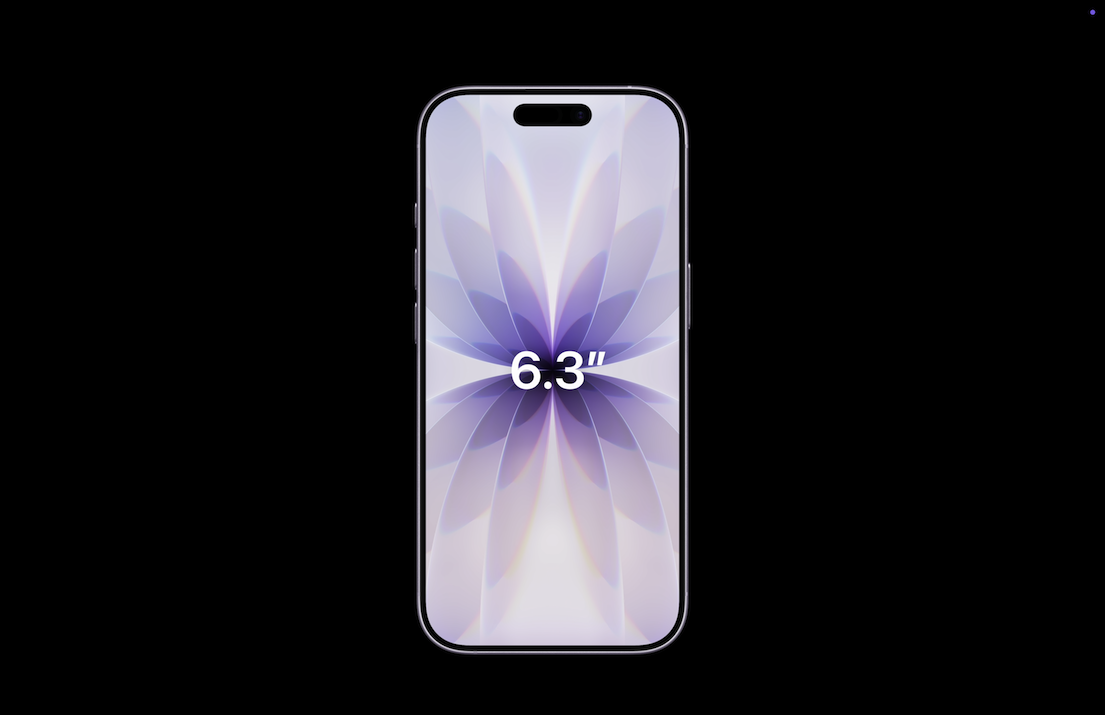
Image: Apple
The standard iPhone 17 retains the familiar look and feel of the iPhone 16. It includes the popular Action button, dedicated Camera Control button, and versatile dual-camera system which were novel additions from the iPhone 16 release.
The most noticeable change in the iPhone 17 is its slightly larger 6.3-inch display, along with some performance tweaks. It now supports a smooth 120Hz adaptive refresh rate and a 3,000-nit peak brightness for better visibility even outdoors.
Having a higher refresh rate, the iPhone 17 now supports an Always-On display, which was previously reserved for Pro models. That means you can check your notifications without waking the screen. To top it off, Apple updated its Ceramic Shield to a second and stronger generation.
While the overall design remains consistent, these display upgrades shouldn’t be your main motivating factors for an upgrade.
Apple continued the iPhone 16’s color-trend, but has muted color saturations by incorporating a metallic pastel look, or magichromatic as coined by Apple. The iPhone 17 comes in five colors:
- Lavender
- Sage
- Mist Blue
- White
- Black
The iPhone 16 offered a bit more pigmentation with the following color options:
- Black
- White
- Pink
- Ultramarine
- Teal
Performance and processing improvements
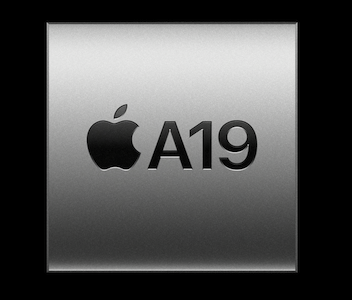
Image: Apple
Apple has equipped all its new devices with the next-generation A19 chip series. The iPhone 17 features the base A19 processor with a 6-core CPU and 5-core GPU. It helps run Apple Intelligence faster and provides a better experience during processor-intensive tasks like mobile gaming.
The A19 isn’t leaps and bounds better than the A18, and doesn’t alone merit an upgrade. However, an improved processor is best for a smoother and more responsive experience.
iPhone 17 cameras and Center Stage selfie feature
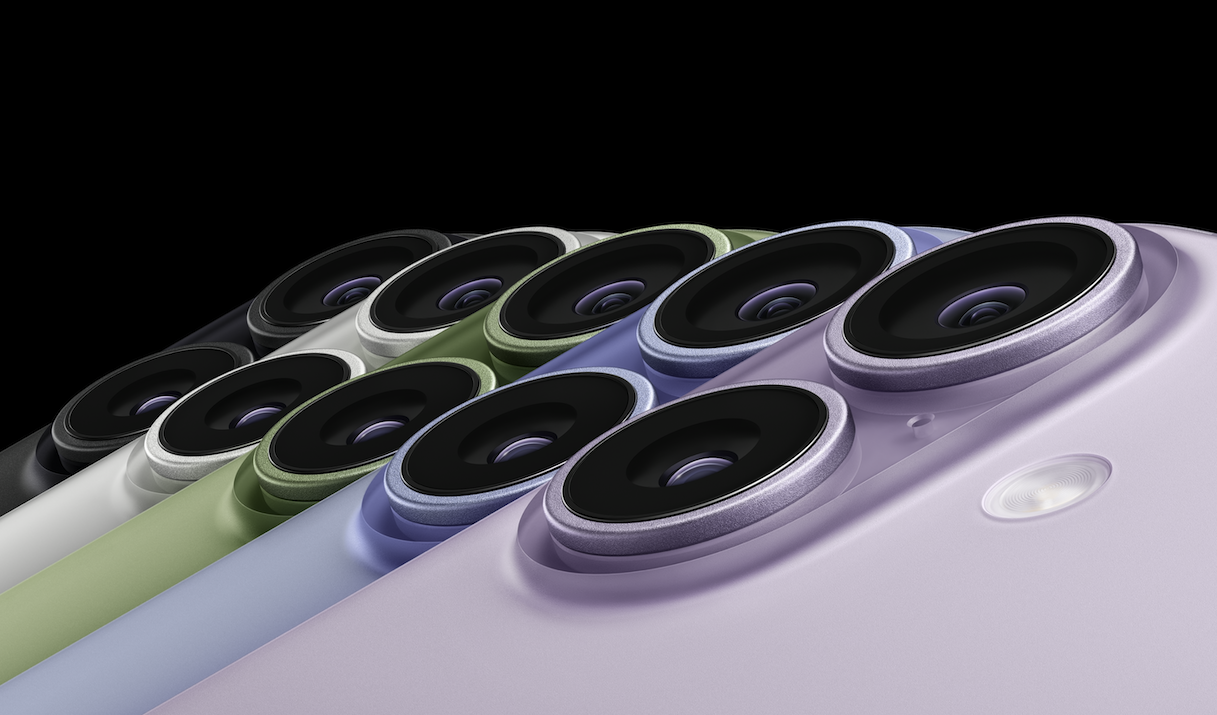
Image: Apple
The iPhone 17 keeps the same dual-camera setup as the iPhone 16, but delivers more pixels in its ultra-wide lens. The only improvement is that both the main and ultra-wide sensors now feature 48MP Fusion technology. With the added pixel boost you’ll be able to capture a bit more detail for sharper images.
Here’s how the iPhone 17 and 16 cameras compare:
iPhone 17:
- Dual-camera array
- Fusion (main): 48MP, ƒ/1.6 aperture
- Ultra-wide: 48MP, ƒ/2.2 aperture
- .5x, 1x, 2x optical zoom options
iPhone 16:
- Dual-camera array
- Fusion (main): 48MP, ƒ/1.6 aperture
- Ultra-wide: 12MP, ƒ/2.2 aperture
- .5x, 1x, 2x optical zoom options
The vertical-stack camera array includes the same 2x optical zoom, spatial photos, and macro photography as the iPhone 16 series. Existing iPhone 16 users will recognize the functionality, but newcomers from older models will appreciate the extra refinement that made the iPhone 16 worth upgrading.
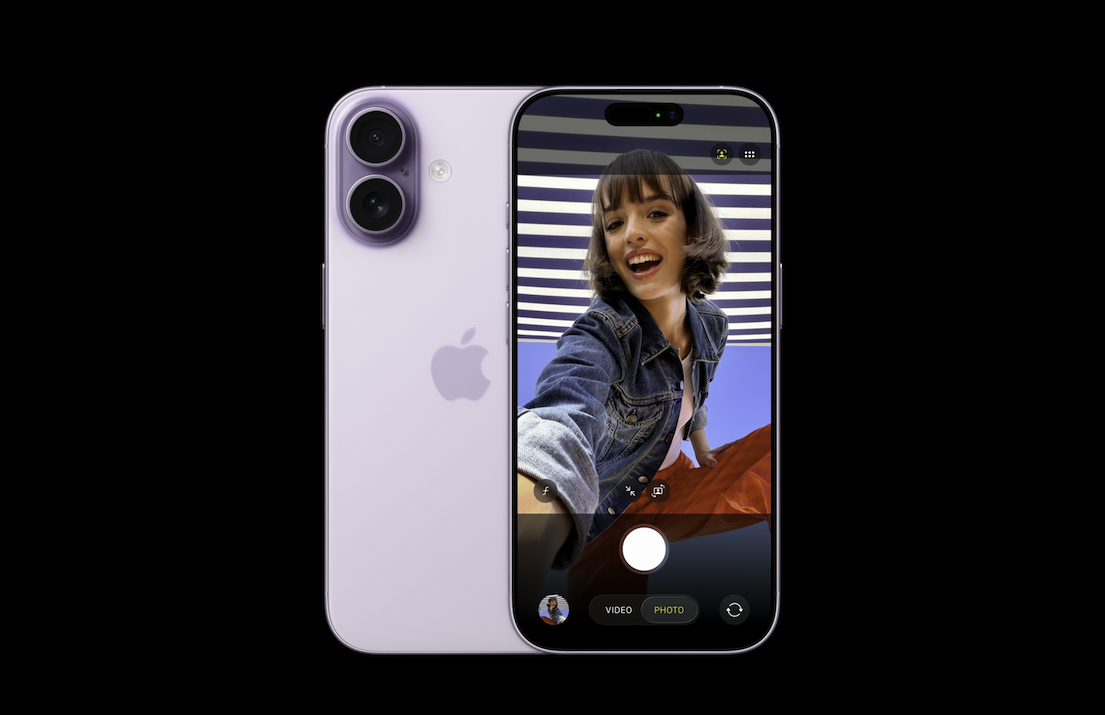
Image: Apple
The selfie camera received the biggest update in years and is now standard across all four new models. Now called the Center Stage front camera, it features an 18MP sensor that uses AI to automatically adjust the frame as people move in or out of view. This allows for seamless switching between portrait and landscape orientations and keeps everyone in focus during group selfies or video calls. Improved stabilization also ensures smoother footage, making it ideal for FaceTime, content creation, and recording memories on the go.
More storage on every model
Apple has officially eliminated the 128GB storage tier for the iPhone 17. All models now start at 256GB. Since Apple retained the $799 starting price of the prior 128GB iPhone 16, you're effectively getting twice the storage for the same cost. This is a necessary move by Apple to accommodate the latest iOS and AI versions, which require more storage than ever.
More battery life
Each model in the iPhone 17 series saw battery improvements. The maximum battery life for each phone is typically measured in video playback. Here’s how the iPhone 17 and 16 battery capacities stack up:
iPhone 17 vs. iPhone 16 battery life
| iPhone 17 | iPhone 16 |
|---|---|
| Up to 30 hours playback | Up to 22 hours playback |
While it isn’t jaw-dropping, more battery is always welcome in a new iPhone.
Are there features the iPhone 17 has that the iPhone 16 doesn't?
The iPhone 17 introduces a few exclusive features, but they don’t dramatically overshadow the iPhone 16. In fact, listing the iPhone 17 vs. iPhone 16 differences won’t give you a lot to find outside of minor upgrades to the cameras and design.
The iPhone 17 cameras received some small improvements. Both the main and ultra-wide sensors now use 48MP Fusion technology, capturing more detail. Up front, the new 18MP Center Stage camera enables single-handed smart rotation, letting you seamlessly capture both portrait and landscape selfies without physically turning your phone.
The iPhone 17’s design was improved with a 6.3-inch 120Hz ProMotion display. It also sports the latest and more power-efficient A19 chip. While the screen feels more responsive and the processor handles intensive tasks slightly faster, the real-world difference for most users is subtle. The iPhone 16’s A18 chip and 60Hz display still deliver a fast, fluid experience.
That said, the iPhone 17’s changes are refinements, not revolutions. iPhone 16 owners aren’t missing critical functionality, and the upgrades don’t justify the cost to upgrade.
iPhone 17 Pro Max upgrades
In case you’re wondering, the iPhone 17 Pro Max didn’t receive any noteworthy upgrades either. The iPhone 17 Pro Max mirrors the upgrades seen in the standard iPhone 17. It includes three 48MP rear cameras and new Center Stage selfie camera, as well as the A19 Pro chipset. Like the base model, the iPhone 17 Pro Max maintains the same physical sizing as its predecessor.
Read more about the iPhone 16 Pro Max vs. iPhone 17 Pro Max differences in our iPhone 17 series guide.Should I upgrade to the iPhone 17?
Despite the few upgrades the iPhone 16 doesn’t have, you likely don’t need to upgrade to the iPhone 17. The iPhone 16 already delivered a major leap with its A18 chip, Camera Control button, and full Apple Intelligence support. It remains an exceptional device and now costs less, making it the smarter choice for those upgrading from an iPhone 15 or older.
The iPhone 16 vs. the iPhone 17: Which is better?
For current iPhone 16 users, the iPhone 17 offers too few practical benefits to justify the cost. If you own an older model, however, the iPhone 16 provides nearly the same experience as the latest model—for significantly less.
iPhone 16 price drop
As with every new iPhone release, Apple has officially dropped the price of its previous generation. Following the launch of the iPhone 17 at $799, the iPhone 16 now starts at just $699, a $100 savings for what remains an incredibly capable device.
While the iPhone 17 offers slight upgrades like a smoother 120Hz display and a newer A19 chip, the iPhone 16 is practically the same. You still get a powerful A18 processor, support for Apple Intelligence, a versatile camera system, and all-day battery life.
Unless you specifically want the latest enhancements, this price drop makes the iPhone 16 the more practical choice for most buyers.
Jessica Santero
Staff Writer

Thousands of cell phone plans unpacked. All the facts. No surprises.





.png?w=280&h=280&usm=20&usmrad=0.8&fit=crop "The Best Cheap Phone Plans for 2026: We Tested Them All to Help You Save")