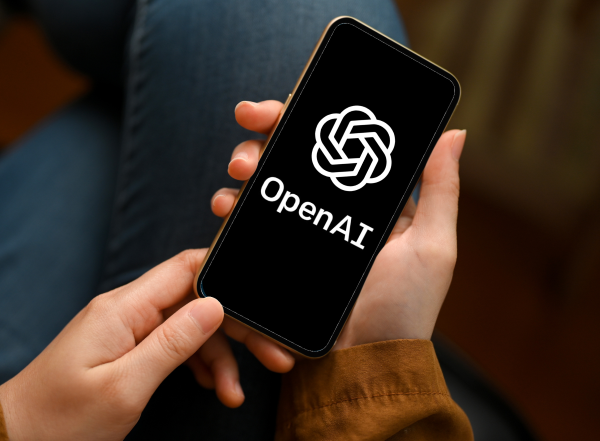
TL;DR: What we know about the rumored OpenAI smartphone
- A recent post from tech analyst Ming-Chi Kuo sparked rumors that OpenAI is developing its own smartphone, targeted for release around 2028.
- The device would replace the traditional app-based interface with AI agents that complete tasks on the user's behalf.
- If it works as described, it could represent a significant shift in how we use smartphones.
- OpenAI will have to address privacy concerns, AI reliability, and fierce competition from Apple, Samsung, and Google to win over new users.
 Prefer WhistleOut in Google
An X post from tech analyst Ming-Chi Kuo recently ignited speculation that OpenAI is building its own smartphone. OpenAI has not confirmed the project, but if it's true, it could reshape how users interact with their personal devices.
OpenAI is reportedly building its smartphone around AI agents rather than apps. That means users would be able to tell their device to complete tasks instead of doing it themselves using specific apps.
This kind of system would require total access to your device and personal data, raising serious privacy implications. Additionally, OpenAI will be competing against established brands like Apple, Samsung, and Google that are already fighting in the AI space, so it faces a major challenge in convincing users to switch. Not to mention that many users still don't completely trust AI to take over their phones.
However, if OpenAI successfully develops its device and it becomes popular, it could reorient the way that people use their phones and signal a major shift in how apps work. Brands like Apple, Samsung, and Google would likely have to adopt similar systems in their future releases to stay competitive.
How does a smartphone powered by AI agents work?
A smartphone powered by AI agents would complete tasks automatically instead of requiring human input and individual apps.
The current smartphone interface is organized around apps. You have apps for messages, navigation, payments, calendars, food deliveries, shopping, and more. As the user, you are the one connecting the dots between them.
An AI agent smartphone would flip that arrangement. Instead of opening apps to complete tasks, you'd describe what you need, and the phone would seamlessly handle the execution for you in the background. Essentially, the phone becomes something closer to an assistant you delegate work to than a tool you physically use.
Here's an example of an AI agent smartphone at work:
Imagine you get a text inviting you to a party. On an app-based device, you'd physically open your calendar, check for conflicts, set a reminder, figure out how you're getting there, and order food in separate apps.
On an AI agent phone, you'd tell the device to add the event to your schedule. The phone would automatically add the event, reschedule anything that conflicts, set reminders, organize your Uber, and even order food during the drive over, all in the background while you use your phone for other things. You'd simply approve or decline the suggestions as your phone makes them.
What are the risks of AI agent smartphones?
The problem facing OpenAI is that AI agents make mistakes. They can misread your intent, act on incomplete information, or confidently execute the wrong thing. When talking to an AI chatbot, a hallucination is usually just annoying. On a phone that manages your calendar, finances, and messages, it becomes a major liability.
It's also worth lowering your expectations about how far the "no apps" vision actually goes. AI agents are well-suited to coordinating tasks across your data, like scheduling, setting reminders, sending messages, or searching your device. However, they are not going to replace every specialized app on your phone.
Your bank won't allow OpenAI to vibecode a way into its security infrastructure so an agent can check your balance on the fly. Regulated industries, complex transactions, and anything requiring verified authentication will probably still live in dedicated apps or specific websites. The realistic version of this phone is less "no apps" and more "fewer reasons to open them." The phone will use those apps for you and provide the relevant information.
Should you be worried about privacy on an OpenAI phone?
In order to work properly, an AI agent phone will need to know everything about you. That includes giving it access to things like:
- Messages
- Contacts
- Location
- Finances
- Intimate photos
- Daily habits
- Shopping history
- Social media accounts
All of it will be monitored continuously so the agent has the proper context to act on your behalf.
What users should be thinking about concerning privacy
Potential users will need to understand what gets sent to OpenAI's servers each time an agent completes a task and how that data is stored, used, or shared. Since the company has yet to confirm the development of its smartphone, it has not had to explain any privacy plans.
Current smartphones from Apple, Google, and Samsung utilize both on-device processing and online servers to complete AI tasks. That said, since OpenAI wants a much deeper AI experience, it may rely more heavily on online servers and require extensive data encryption.
Why would anyone switch to an OpenAI phone?
Tech-savvy users may want a smartphone from OpenAI due to the promise of an integrated system of AI agents. However, the number of early adopters will likely be small, and the company may face challenges breaking into the smartphone market at first.
Remember, Apple, Samsung, and Google don't just sell smartphones. These companies sell entire tech ecosystems, and most users have years of photos, messages, app purchases, payment setups, and connected devices backed up in their phones. This makes it difficult to switch and fosters intense brand loyalty to Apple and Android.
OpenAI will need to change the narrative of AI on smartphones
Many consumers are also still skeptical of AI on smartphones. Apple, Samsung, and Google have all struggled to develop AI software that their users widely like. These companies have seen more success with individual tools—like image generation and writing help—than from all-encompassing systems rummaging through people's phones.
OpenAI's smartphone will ask users to restructure how they use their phone entirely. It will take time for average users to come around on that idea. However, if OpenAI manages to create a well-designed system, it could reorient how people use their phones and push Apple, Samsung, and Google to adopt similar AI agents to compete.
Max McCaskill
Sr. Staff Writer

Thousands of cell phone plans unpacked. All the facts. No surprises.

Related Articles


Related Topics
NewsPopular Topics
Featured App Reviews iOS News Coverage Device Reviews Device Explainers Carrier Explainers App Roundups T-Mobile


Free iPhone 18 Pro, up to $1,200 off, with a trade-in in any condition or a line switch on Experience Beyond





.png?w=280&h=280&usm=20&usmrad=0.8&fit=crop "The Best Cheap Phone Plans for 2026: We Tested Them All to Help You Save")