
WhistleOut fast facts
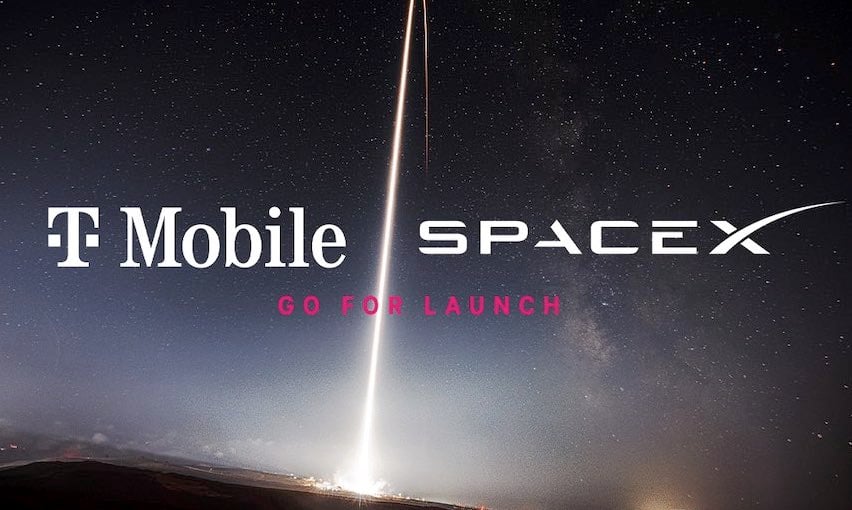
- T-Mobile successfully sent the first wireless emergency alert (WEA) via satellite in the U.S. using SpaceX's Starlink network.
- This breakthrough expands coverage to 500,000 square miles of lightly populated and remote areas that previously lacked access to emergency alerts.
- The test alert was transmitted 217 miles into space to one of Starlink's direct-to-smartphone satellites in low Earth orbit.
In a groundbreaking move, T-Mobile has successfully sent and received the first wireless emergency alert (WEA) via satellite in the U.S. on September 5th, 2024. This message consisted of a test alert for a hypothetical evacuation notice.
The test alert traveled 217 miles into space and was picked up by one of the 175+ Starlink direct-to-smartphone satellites currently in low Earth orbit (LEO). These satellites act as cell towers in space, broadcasting the alert to the targeted geographic area, where it was received by a T-Mobile smartphone.
This game-changing development means that the 500,000 square miles of sparsely populated, mountainous, and uninhabitable areas across the country can now receive critical, life-saving emergency alerts.
T-Mobile and SpaceX partnership
The seeds for this achievement were planted back in August 2022, when T-Mobile and SpaceX first announced their partnership to bring cell phone connectivity everywhere by leveraging Starlink's satellite constellation. Now, just two years later, that vision has become a reality with this successful satellite-based WEA test.
How T-Mobile’s satellite network impacts customers
According to T-Mobile, the entire process took mere seconds, from queuing up the emergency message to delivering it to users on the ground. This lightning-fast communication could make all the difference in life-threatening situations.
The devastating 2018 Camp Fire in Northern California highlights the crucial need for satellite-enabled WEAs. The fire, which ravaged over 150,000 acres, forced 52,000 people to evacuate, destroyed 19,000 structures, and tragically claimed 86 lives, started in the remote Sierra Nevada mountains.
Those in areas without cellular network coverage had no access to emergency alerts, and the fire knocked out 17 cell towers on the first day alone, making communication with first responders and loved ones nearly impossible for many.
Looking ahead: More satellites, more coverage
T-Mobile and Starlink are currently testing the satellite-to-smartphone service with over 175 direct-to-smartphone satellites in LEO. As SpaceX launches more satellites in the coming months, the country will be increasingly blanketed with wireless coverage.
T-Mobile plans to beta test the service before rolling it out commercially, ensuring that this life-saving technology is reliable and accessible to all.
The successful test of satellite-based WEAs marks a turning point in emergency communication. With T-Mobile and Starlink's innovative partnership, no corner of the country will be left without access to critical alerts.
As climate change fuels more frequent and intense natural disasters, this technology comes at a critical time. The ability to quickly warn people in remote areas could save countless lives and help communities better prepare for and respond to emergencies.
Aletta Cooke
Staff Writer

Thousands of cell phone plans unpacked. All the facts. No surprises.





.png?w=280&h=280&usm=20&usmrad=0.8&fit=crop "The Best Cheap Phone Plans for 2026: We Tested Them All to Help You Save")