AT&T offers both prepaid and postpaid plans on the same network. The right choice comes down to your budget and how much data you need.
- AT&T prepaid plans are best for budget-conscious customers who want a cheaper, no-contract option on AT&T's network.
- AT&T postpaid is best for heavy data users who need large hotspot allowances, premium data that never slows, and access to AT&T's best phone deals.
A prepaid plan is the best choice for most people. You don't need a credit check or contract, there's no penalty for canceling, and you pay for your service at the beginning of the month so you don't worry about being charged for more data.
Postpaid plans come with a few strings attached in order to get AT&T's top features. For example, AT&T bills you at the end of each month (after you've used the service), includes a credit check to sign up, and a service contract if you're financing a phone.
Take a look at AT&T's prepaid and postpaid plan details compared side by side:
AT&T prepaid and postpaid plans compared
| Prepaid | Postpaid |
|---|---|
| 12-Month Unlimited + 10GB Hotspot: $20/month ($240/year) | Value 2.0: $50/month* |
| Unlimited Saver: $35/month | Extra 2.0: $70/month* |
| Unlimited Enhanced Plus: $45/month | Premium 2.0: $90/month* |
| Unlimited Ultra: $60/month | Elite 2.0: $110/month* |
*Postpaid prices reflect AutoPay discount. Without AutoPay, add $5/month per line.
This guide compares AT&T's prepaid and postpaid plan pricing, perks, phone options, and coverage. For a look at how AT&T stacks up overall, check out our full AT&T review.
AT&T plan pricing: Prepaid vs. postpaid
AT&T prepaid plans cost less, but still offer solid perks
| Plan | Data | Hotspot | Price |
|---|---|---|---|
| 12-Month Unlimited + 10GB Hotspot (prepaid) | 16GB high-speed | 10GB | $20/month ($240/year) |
| $25/month Unlimited talk, text, and data plan (prepaid) | 30GB at 3Mbps | None | $25/month |
| Unlimited Saver (prepaid) | 30GB at 3Mbps | None | $35/month |
| Unlimited Enhanced Plus (prepaid) | Unlimited (deprioritized) | 10GB | $45/month |
| Unlimited Ultra (prepaid) | Unlimited premium | 30GB | $60/month |
*All plans show single-line pricing.
AT&T's prepaid plans cost between $20–$60/month, and all four options include 5G access and unlimited talk and text. The main differences between the prepaid options is more noticeable when you compare data limits, extra features, and plan perks.
Here are AT&T's prepaid plan details compared side by side.
- The cheapest prepaid option is the 12-Month Unlimited + 10GB Hotspot annual plan, which costs $20/month ($240 billed annually).
- It includes 16GB of premium data (unlimited at slower speeds after), a 10GB hotspot, plus unlimited talk, text, and international messaging to 230+ countries.
- The only catch is that you have to pay the whole year upfront in a single payment to lock in the low monthly cost.
- We think the 12-Month plan is the best AT&T prepaid plan because you get more than enough premium data for the month, a perfect amount of hotspot data, and it's only $20/month.
- Unlimited Saver is the second cheapest AT&T prepaid plan, priced at $35/month.
- It includes 30GB of data, with unlimited talk, text, and international messaging to 230+ countries.
- It's important to note that the data speeds included with this low-cost plan are capped at 3Mbps. That's slower than you'll get on the other prepaid options, but still decent. Next to the annual plan, though, Unlimited Saver is pricier than it should be since it lacks premium data.
- Unlimited Saver doesn't include hotspot capabilities either, so you won't be able to tether to your laptop. If that's a must-have for your daily life, check out Unlimited Enhanced Plus.
- AT&T's mid-tier prepaid plan is Unlimited Enhanced Plus, which costs $45/month.
- This plan is ideal for everyday phone use as it includes unlimited data, a 10GB hotspot, and convenient perks like 25GB of roaming data in Canada and Mexico. In fact, we think it's one of the best AT&T plans overall.
- The main issue (but not a dealbreaker) is that Unlimited Enhanced Plus includes deprioritized data, meaning you may see slower speeds during congestion or really busy times.
- The priciest and most perk-packed prepaid offering is AT&T's Unlimited Ultra plan for $60/month.
- It includes major upgrades, like unlimited premium data that never slows, a 30GB hotspot, 4K streaming, 100GB of cloud storage, 25GB of international data you can use in Mexico and Canada, and 500 global minutes to call 30+ countries.
- Unlimited Ultra is a solid plan, especially if you want all the extras. It isn't that expensive either when you compare it to AT&T's postpaid plans, which offer less for the same price and more.
AT&T postpaid plans have more premium data, but are double the cost
| Plan | Data | Hotspot | Price |
|---|---|---|---|
| Value 2.0 (postpaid) | 5GB premium, then slowed | 3GB | $50/month |
| Extra 2.0 (postpaid) | 100GB premium, then slowed | 50GB | $70/month |
| Premium 2.0 (postpaid) | Unlimited premium | 100GB | $90/month |
| Elite 2.0 (postpaid) | Unlimited premium | 250GB | $110/month |
*All plans show single-line pricing.
AT&T's postpaid unlimited plans are priced between $50–$110/month for a single line—and that pricing already includes an AutoPay enrollment discount. Without it, you'll have to pay $5 more each month on any of these plans. And don't forget to add taxes and fees, since they are extra on top of the advertised price.
- The cheapest postpaid unlimited plan is Value 2.0 for $50/month—and in my opinion, it isn't worth it.
- AT&T's entry-level postpaid plan only includes 5GB of premium data. Once you reach that limit, your data is deprioritized for the rest of the month, meaning your speeds might dip when the network is busy. Normally, deprioritization isn't an issue, but only 5GB of premium data is very little. That basically calculates out to $10 per GB.
- Value 2.0 also includes unlimited calls and messages between the U.S., Canada, and Mexico, plus unlimited data usage, but only at 2G speed.
- This plan does include a hotspot, but 3GB might not be enough if you plan to do more than just browse or email from your laptop.
- AT&T's postpaid Extra 2.0 plan is the mid-tier offering that costs $70/month.
- It includes a whopping 100GB of premium data, a huge 50GB hotspot, and unlimited talk, text, and unlimited data in Mexico and Canada (at 2G speeds).
- Extra 2.0 offers excellent perks for a reasonable price. You can get this plan for even cheaper when you bundle four lines, dropping the price to $40/line. In fact, we think it's one of the best AT&T family plans available.
- The two most expensive AT&T postpaid plans are Premium 2.0 and Elite 2.0, priced at $90/month and $110/month, respectively.
- Premium 2.0 includes unlimited premium data, a 100GB hotspot, 4K streaming, and unlimited talk, text, and full-speed data you can use in 20 Latin American countries.
- With this plan, you won't notice any slowdowns whether you're on your phone or tethering to your laptop. Plus, the extra perks are practical, especially if you travel frequently. That's exactly why we think Premium 2.0 is AT&T's best plan overall.
- Elite 2.0 is very expensive, costing a whopping $110/month for a single line. It includes even more hotspot data and unlimited talk and text to 20 Latin American countries, plus one tablet connection, but it may not be worth the cost for an average user.
Should I pay for prepaid or postpaid?
For most single-line customers, prepaid is the better deal on price alone. Most of AT&T's prepaid plans are cheaper than the postpaid equivalents, and still include some great perks.
The $45/month prepaid Unlimited Enhanced Plus plan costs less than AT&T's cheapest postpaid plan—and it includes more data and a bigger hotspot.
The postpaid Value 2.0 plan gives you a mere 5GB of premium data and a 3GB hotspot for $5/month more than the prepaid Enhanced Plus. If you're a light or moderate data user on a single line, there's very little reason to pay more for postpaid.
However, postpaid pricing is worth it if you have multiple lines or need lots of premium data. AT&T's family plan discounts can bring the per-line cost down—something prepaid doesn't offer.
AT&T's postpaid plans are only worth it if you get a family plan.
For example, Extra 2.0 drops to only $40/line for a family of four. And if you're a heavy data user who can easily burn through 100GB of premium data or a 50GB hotspot, the Extra 2.0 at $70/month may be worth paying more for.
Check out our guide to AT&T family plans for the full breakdown on multi-line pricing.
Verdict: AT&T prepaid is cheaper across the board for single-line customers. Postpaid is worth considering if you have multiple lines or need the highest data and hotspot allowances available.
AT&T plan perks: Prepaid vs. postpaid
| Prepaid | Postpaid | |
|---|---|---|
| Premium data | 16GB (12-Month) 30GB (Unlimited Saver) Deprioritized (Enhanced Plus) Unlimited (Ultra only) |
5GB (Value 2.0) 100GB (Extra 2.0) Unlimited (Premium 2.0) Unlimited (Elite 2.0) |
| International texting | 230+ countries | 200+ countries |
| Mexico & Canada roaming | Enhanced Plus and Ultra | All plans |
| Mobile hotspot | 10–30GB (select plans) | 3GB, 50GB, 100GB, 250GB |
| 4K streaming | Ultra only | Premium 2.0 and Elite 2.0 only |
| Cloud storage | Ultra only (100GB) | No |
| ActiveArmor security | Yes | Yes |
Prepaid includes more practical perks
AT&T's prepaid plans include more than you might expect.
Here are the main perks AT&T prepaid plans come with:
- AT&T ActiveArmor fraud and spam call blocking
- Data roaming in Canada and Mexico (except Unlimited Saver)
- International texting to 230+ countries
- Hotspot access ranging from 10–30GB (except Unlimited Saver)
- No credit check required
The top-tier prepaid Unlimited Ultra plan even includes 100GB of cloud storage and 500 minutes of international calling to 30+ countries. Most prepaid plans don't offer either of those features at any price.
Postpaid includes a lot more premium data
AT&T postpaid adds more premium data with higher data deprioritization thresholds, and more hotspot data.
Here are the perks included with AT&T postpaid plans:
- Unlimited talk and text
- 5GB, 100GB, and truly unlimited premium data
- Hotspots include 3GB, 50GB, and 100GB of data
- Unlimited 2G data in Canada and Mexico
- Data roaming in 20 Latin American countries (Premium 2.0)
Extra 2.0 gives you 100GB of premium data before speeds slow. Premium 2.0 offers truly unlimited premium data for lightning-fast speeds all month long. The hotspot allowances are much more generous with postpaid, too, topping out at 100GB on Premium 2.0. But most everyday users won't come close to needing that much.
Verdict: Postpaid offers more perks, especially when looking at hotspot and premium data. For most users, AT&T prepaid covers everything that actually matters in their day-to-day, but if you need more speed, postpaid is the way to go.
AT&T coverage: Prepaid vs. postpaid
Prepaid and postpaid have the same coverage on the same towers
| Prepaid | Postpaid | |
|---|---|---|
| Network | AT&T 4G LTE & 5G | AT&T 4G LTE & 5G |
| Same towers | Yes | Yes |
| 5G access | Yes | Yes |
| Data deprioritization | During congestion | Higher threshold |
AT&T has the second-largest nationwide coverage footprint, just behind Verizon. AT&T prepaid and postpaid customers use the exact same towers and the same network. There is no coverage difference between the two.
Check AT&T's coverage in your area using the interactive map below.
It's important to understand the difference between having coverage and experiencing slow speeds. Prepaid and postpaid AT&T plans offer the same exact coverage, but if your prepaid plan includes deprioritized data, you might get slower speeds, since postpaid customers have first access to the network. That doesn't mean you have worse coverage; it just means you're put on the back burner until network space frees up.
Verdict: AT&T prepaid and postpaid coverage is identical. Prepaid and postpaid customers tap into the same AT&T 4G and 5G network.
AT&T cell phone options: Prepaid vs. postpaid
| Prepaid | Postpaid | |
|---|---|---|
| Phone selection | Limited | Wide-ranging |
| Trade-in deals | Limited | Yes |
| Monthly installment financing | No | Yes |
| BYOD supported | Yes | Yes |
| eSIM activation | Yes | Yes |
Postpaid has better phone deals, or you can bring your own, too
When it comes to cell phone options, AT&T postpaid is the best. You have far more phone options on a postpaid plan, and you can buy almost any smartphone on a monthly installment plan if you don't want to pay for it outright.
AT&T's best phone deals are reserved for postpaid customers. That includes trade-in credits, promotional pricing on flagships, and monthly installment financing.
The prepaid phone selection is more limited, and devices typically need to be paid for upfront.
That said, if you don't need a new phone, both prepaid and postpaid support BYOD (bring your own device). If you already have an unlocked phone, you can bring it to AT&T prepaid and pop in a SIM card or activate an eSIM and you're on the network within minutes. You can also port your existing number over if you want to keep it.
If you're in the market for the latest and greatest phones, check out AT&T's offers below:
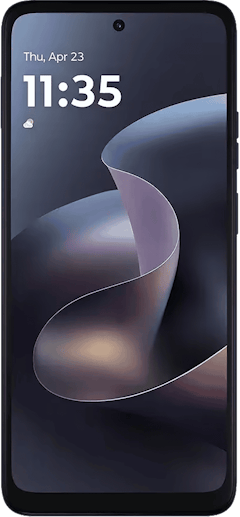
Moto G 5G (2026) 128GB
- 6.7 inch display
- Rear Cameras: 50MP, 2MP
- Front Camera: 32MP
iPhone 16 128GB
- 6.1 inch display
- Rear Cameras: 48MP, 12MP
- Front Camera: 12MP

iPhone 16 Pro Max 256GB
- 6.9 inch display
- Rear Cameras: 48MP, 48MP, 12MP
- Front Camera: 12MP

iPhone 18 Pro 256GB
- 6.3 inch display
- Rear Cameras: 48MP, 48MP, 48MP
- Front Camera: 18MP

iPhone 18 Pro Max 256GB
- 6.9 inch display
- Rear Cameras: 48MP, 48MP, 48MP
- Front Camera: 18MP

Galaxy A37 5G 128GB
- 6.7 inch display
- Rear Cameras: 50MP, 8MP, 5MP
- Front Camera: 12MP

Pixel 9a 128GB
- 6.3 inch display
- Rear Cameras: 48MP, 13MP
- Front Camera: 13MP

Edge (2026) 128GB
- 6.3 inch display
- Rear Cameras: 50MP, 50MP, 10MP
- Front Camera: 50MP

Galaxy A57 5G 128GB
- 6.7 inch display
- Rear Cameras: 50MP, 12MP, 5MP
- Front Camera: 12MP

Pixel 10a 128GB
- 6.3 inch display
- Rear Cameras: 48MP, 13MP
- Front Camera: 13MP


Verdict: If you're due for a new phone and want to take advantage of trade-in offers, postpaid is the better option. If you already have a phone you're happy with, prepaid works just as well.
Which AT&T plan is right for you?
AT&T prepaid is the better choice for most people. Three prepaid options cost less than AT&T's cheapest postpaid plan. In fact, the prepaid Enhanced Plus plan even includes more data and comes with no credit check or contract, unlike the postpaid Value 2.0. If you're currently on the postpaid Value 2.0 plan, switching to Unlimited Enhanced Plus prepaid saves you money and gets you more.
Postpaid does make more sense if you rely on a massive hotspot, want access to AT&T's best trade-in phone deals, or need the highest premium data tier. The Extra 2.0 and Premium 2.0 plans offer data and hotspot allowances that surpass the prepaid lineup, reaching 100GB.
AT&T's customer service is the same regardless of which option you choose.
Get AT&T postpaid if you:
- Use a lot of high-speed data consistently
- Rely heavily on mobile hotspot tethering
- Want access to phone trade-in deals and installment financing
Get AT&T prepaid if you:
- Want to save money without sacrificing AT&T's coverage
- Don't want a credit check or long-term commitment
- Want the freedom to switch carriers at any time
Pro tip: If you want to go even further on savings, AT&T MVNOs like US Mobile and Cricket Wireless run on the same AT&T towers for even less. The coverage is identical. You're just removing the AT&T brand premium.
Methodology: How we compared AT&T prepaid vs. postpaid service
Our mobile experts compared AT&T postpaid vs. prepaid service, examining plans, prices, perks, cell phones, coverage, and customer support. To properly assess AT&T, we signed up for both its prepaid and postpaid offerings for real-world testing of everything from the sign-up and activation process to network performance. For our in-depth analysis, we only considered AT&T; we didn't look at other major carriers or MVNOs.
Prepaid vs. postpaid AT&T plans: FAQ
What is the difference between AT&T postpaid and prepaid?
The main differences between AT&T postpaid and prepaid are price, premium data, and device deals. Postpaid plans cost more but offer more premium data, larger hotspots, and better phone deals. Prepaid plans are cheaper and don't require a credit check or a contract. However, they have less premium and hotspot data.
Is prepaid slower than postpaid?
In general, prepaid plans are not slower than postpaid plans, but it depends on which plans you look at. Most prepaid plans include less premium data than their postpaid counterparts. So you may experience data deprioritization (and slower speeds) with a prepaid plan since they offer less premium data.
What are the disadvantages of a prepaid phone?
The main disadvantage of buying a prepaid phone is that you'll probably have to pay full price upfront, whereas postpaid plans offer installment financing and trade-in deals.
Why is postpaid more expensive than prepaid?
Postpaid plans cost more than prepaid because they offer more premium data, larger hotspot allowances, more robust perk inclusions, and access to better phone deals. Prepaid plans strip back those extras and pass the savings directly to the customer.
Can I keep my number if I switch from AT&T postpaid to prepaid?
Yes, switching from AT&T postpaid to prepaid is a standard number port, so you can keep your current phone number. The process typically completes within a few hours, and your existing service stays active until the transfer is done. You won't lose your number.
Check out our guide on how to switch to AT&T before you get started.
Does AT&T prepaid use the same towers as postpaid?
Yes, AT&T prepaid and postpaid customers connect to exactly the same towers and the same network infrastructure.
Jessica Santero
Staff Writer

Thousands of cell phone plans unpacked. All the facts. No surprises.





.png?w=280&h=280&usm=20&usmrad=0.8&fit=crop "The Best Cheap Phone Plans for 2026: We Tested Them All to Help You Save")