When it comes to phone plans, sticking with the same old carrier is probably costing you more than it should. If your bill has crept up over the past few years, you're still on 4G while everyone else went 5G, you're watching new customers score deals you'll never see, or you're simply getting less than you're paying for, it's time to switch.
Here are five signs you need to make the move, the best time to do it, and how to get the most out of switching.
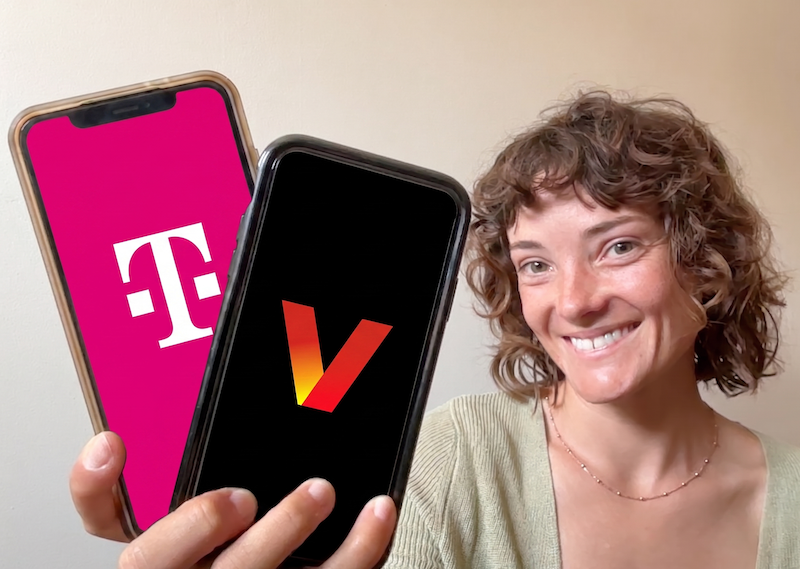
Not sure where to start? I switched to a cheaper unlimited plan with Visible over two years ago, and I couldn’t be happier. It only took five minutes, and my phone bill is half of what I was paying with a bigger carrier. I was afraid to switch because I thought it would be a hassle, but it was simple and quick.
Jessica Santero, Staff writer
|
Visible

$25 Visible Plan
$25.00/mo
Taxes & Fees included
|
|
Visible
$40 Visible+ Pro Plan
$40.00/mo
Taxes & Fees included
|
|
Visible
$30 Visible+ Plan
$30.00/mo
Taxes & Fees included
|
5 signs it's time to switch phone carriers
1. Your bill is just too high
Loyalty to a phone carrier is one of the most expensive habits most people don't know they have. According to WhistleOut's mobile overspending report, Big Three customers pay an average of $76/line each month. But by switching carriers, you can pay as little as $25 per month without sacrificing on data or coverage. For a family of four, that difference adds up to over $2,400 back in your pocket every year.
Most people don't realize that smaller-budget carriers, called MVNOs, run on the exact same towers as AT&T, Verizon, and T-Mobile. They rent space on the Big Three's networks and pass the savings on to you, which means you get identical coverage without the premium price tag.
It's also a good idea to check how much data you're actually using each month. With Wi-Fi at home covering the bulk of your browsing, streaming, and scrolling, most Americans use around 10–12GB of data per month. Depending on your usage, you could save even more by downgrading to a cheaper limited-data plan in addition to switching carriers.
See what you could pay instead
Still want unlimited data, but you're not sure what a cheaper plan would look like for you? Compare the most popular unlimited plans below that won't break the bank:
|
Visible
$25 Visible Plan
$25.00/mo
Taxes & Fees included
|
|
Mint Mobile

Unlimited Data Plan
$10.00/mo
$60 for 6 months of service
|
|
Verizon

Simplicity Plan
$30.00/mo
+ Taxes & Fees. Price includes AutoPay & Bring a Number discount
|
2. Your coverage has dead zones where you live
Poor coverage isn't something you should have to work around. If you're losing signal on your commute or stepping into a dead zone the moment you leave a main road, your carrier's network simply doesn't reach where your life actually happens.
Before switching, do a quick coverage check using the interactive map below. Select the network you want to see, and toggle 4G and 5G coverage. The stronger the signal, the darker the color on the map. If a competing carrier has stronger infrastructure where you live and commute, the switch makes sense on coverage alone—even before you factor in price.
T-Mobile and AT&T have the most expansive 5G networks, just not in the same locations. I've personally tested service on all three major networks and found that AT&T works best where I live in California. So check out the map and zoom in on your neighborhood.
Check coverage in your area
Use our interactive map to check 5G and 4G coverage near you. Toggle between carriers to see who has the best coverage in your town.
3. Your bill keeps climbing even though nothing has changed
Have you seen small increases in pricing, an extra tax, or new fees without changing anything about your actual plan? If the total keeps inching up without any changes in your data usage or number of lines, consider switching to a prepaid plan.
Since you pay before the billing cycle, prepaid and budget carriers like Mint Mobile, Visible, and US Mobile won't charge you extra. That means you won't see any overage charges or surprise price hikes by the end of the month. Plus, they run on the same towers as the big three (AT&T, Verizon, and T-Mobile) and offer the same coverage for a lot less per month.
Choose prepaid for a bill that never surprises you
Prepaid means you pay for your plan before the month begins, while postpaid charges you at the end. By switching to a prepaid plan, you still get excellent service without the worry about surprise fees.
Here are some of the most popular prepaid plans currently available:
|
T-Mobile

Prepaid Unlimited Plan
$45.00
Per 1 Month Refill
with AutoPay - Taxes & Fees NOT included
+ $10 Upfront
|
|
AT&T

Prepaid 12-month Unlimited + 10GB Hotspot Plan
$240.00
Per 12 Month Refill
$240 advance payment for 12 months (equals to $20/month). Online only.
+ $4.99 Upfront
|
|
H2O Wireless

$10 Pay As You Go
$10.00
Per 3 Month Refill
($9.00 with AutoPay)
|
4. You want more plan perks than just high-speed data
Your cell phone plan can do a lot more than provide data and a signal. Some phone plans include impressive perks that make life easier (and save you money in the long run). And you don't have to pay an expensive monthly bill or sign a lengthy contract to get them, either.
If you work on your laptop away from Wi-Fi, look for a plan that includes a decent hotspot. If you're tired of paying for separate Netflix accounts, you can get a plan that includes a free subscription.
Here are some of my favorite plan perks for different lifestyles:
- US Mobile's TelePortal tool lets you change networks for the best coverage.
- Visible has unlimited hotspot for working on the go.
- T-Mobile includes free Netflix and Hulu subscriptions.
5. You want a new phone but can't pay outright
Switching to a new carrier when you need a new phone is one of the best ways to get discounted devices and save on the latest iPhone or Samsung Galaxy. When you switch, you can usually snag a flagship phone for zero dollars down with monthly installment credits that essentially make the device free over two or three years. But you have to be a new customer.
The best time for major phone savings is always after a new phone launch. That's when competing carriers offer their best trade-in promotions and device deals. Switch to the carrier with the best offer for a major upgrade and a lower monthly plan rate at the same time.
Ready for a new phone? Here are the best deals
Check out the steepest phone deals available now if you're looking for a new iPhone or Android device. That way, you don't have to shell out thousands of dollars and still get the phone of your dreams.
Galaxy A26 5G
- 6.7 inch display
- Rear Cameras: 50MP, 8MP, 2MP
- Front Camera: 13MP
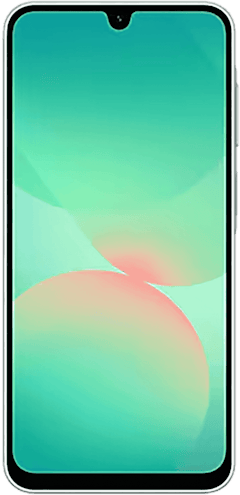
Galaxy A27 5G 128GB
- 6.7 inch display
- Rear Cameras: 50MP, 5MP, 2MP
- Front Camera: 12MP
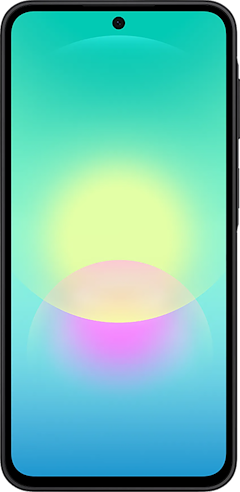
Galaxy A37 5G 128GB
- 6.7 inch display
- Rear Cameras: 50MP, 8MP, 5MP
- Front Camera: 12MP


When is the best time to switch?
The best time to switch carriers is during major phone launches in the fall and early spring, when Apple and Samsung release their latest flagship phones. Most carriers (both big and small) offer steep discounts on devices just after releases and launches, plus trade-in credits to lower prices even more. Other great times to switch are around Black Friday, back-to-school season, and major holidays.
Regardless of when you choose to switch, you should initiate the process the week before your current bill cycle ends so you do not pay for a full month of service you won't use.
Can I switch carriers if I still owe money on my phone?
Technically, yes, you can switch, but it depends on who you are switching to. Some carriers offer to cover device costs and reimburse you for the remaining balance on your current device, but not all do. If your new carrier doesn't have a device payoff, you will need to pay off the full balance yourself before switching.
Is switching actually worth the hassle?
Yes, switching is absolutely worth the hassle. The entire process typically takes under an hour from start to finish, and the savings begin on your very next bill. There are a few steps you need to take to make sure the switching process is smooth, though.
- Make sure you unlock your phone from your current carrier.
- Request a number transfer if you want to keep your phone number.
- Check to see if your phone is eSIM compatible.
If you need help with any of these topics, check out our guide on switching for step-by-step instructions. In reality, one hour of your time can unlock savings of hundreds or even thousands of dollars per year without changing your daily phone experience.
Once the switch is complete, your service works exactly as it did before. That difference in price makes switching not just worth the hassle, but one of the most effective financial decisions you can make in under an hour.
It’s time to switch phone carriers: FAQ
Will I lose my phone number if I switch carriers?
No, you will not lose your phone number if you follow the right steps. Number porting is a standard process that allows you to keep your existing number when you move to a new carrier, but you have to start the port before canceling your old service.
What is an MVNO and is it a good option?
An MVNO, or mobile virtual network operator, is a wireless carrier that offers cheaper phone plans and provides access to major networks' towers instead of building its own infrastructure. For most everyday users, an MVNO is an excellent option because of reliable coverage and affordable prices.
What is the $800 switch deal with T-Mobile?
The $800 switch deal from T-Mobile is a promotion that offers up to $800 in bill credits or prepaid cards when you switch from another carrier and bring your own phone or trade one in.
What is the best time of year to switch carriers?
The best times to switch carriers are around major phone launches in the fall and early spring, as well as during Black Friday, back-to-school season, and tax-refund season. Waiting for one of these windows can save you extra, but switching at any time will almost always save you money compared to staying with your current carrier.
Why you can trust WhistleOut
.svg)
15+
years of mobile industry experience

900+
published wireless guides

35+
firsthand carrier reviews
We've been around since the birth of the iPhone. Along the way, we've learned how to spot the best deals for your wallet (and your sanity). We spend our days researching informative guides and writing insightful reviews on every kind of wireless plan, distinguishing what matters from what doesn't. We played around with these plans before recommending them, ensuring they're worth your hard-earned money.
Want to know more? Check out how we review every cell phone plan we rank.
Jessica Santero
Staff Writer

Thousands of cell phone plans unpacked. All the facts. No surprises.


.png?w=160&h=160&usm=20&usmrad=0.8&fit=crop "How to Switch Phone Carriers and Keep Your Phone and Number")





.png?w=280&h=280&usm=20&usmrad=0.8&fit=crop "The Best Cheap Phone Plans for 2026: We Tested Them All to Help You Save")