Seeing is no longer believing. The rise of AI-generated images means the online world is increasingly filled with pictures created by computers, not humans. Although this kind of technology is relatively new, it has already exceeded expectations by creating incredibly realistic-looking images that can fool almost anyone.
Many of us like to believe that we can tell the difference between the real world and the output of a machine’s imagination. Unfortunately, the data shows that most of the time we can’t. Nearly 2 in 5 people are confident that they can spot AI-generated content on the internet, but less than half of them were right when asked to choose between AI-generated and real-world images.
Here at WhistleOut, we surveyed 1,000 Americans to see if they could spot AI-generated images. We found that they consistently failed to identify fake photos of politicians, celebrities, animals, and even portraits of normal people.
Let’s dive into the data to learn more about AI-generated images and the trends surrounding them. We’ll also let you test yourself on some of our survey questions to see if you’re one of the few who can spot the AI.
What is generative AI?
Generative artificial intelligence (AI) is a type of AI that can generate text, images, video, and other forms of content based on prompts provided by a human user. The technology relies on training data to identify patterns within the user’s prompt. From there, it creates a new output it thinks closely matches those patterns.
This technology is popping up everywhere. It’s the power behind popular AI tools like GhatGPT, Google Gemini, Midjourney, and Apple Intelligence. You can see how some of these systems compare on smartphones below:
Overview: Can you spot the AI?
- Who uses AI?
- Confidence in identifying AI
- Can you spot the AI?
- Use of AI sentiment
- AI trust and regulation
- Recap: The future of AI images
- AI apps and data plans to run them
- Methodology
Who uses AI?
More people are using AI than you probably realize. 50% of Americans have used generative AI programs to create pictures, videos, audio, or written content. This behavior stretches across generations.
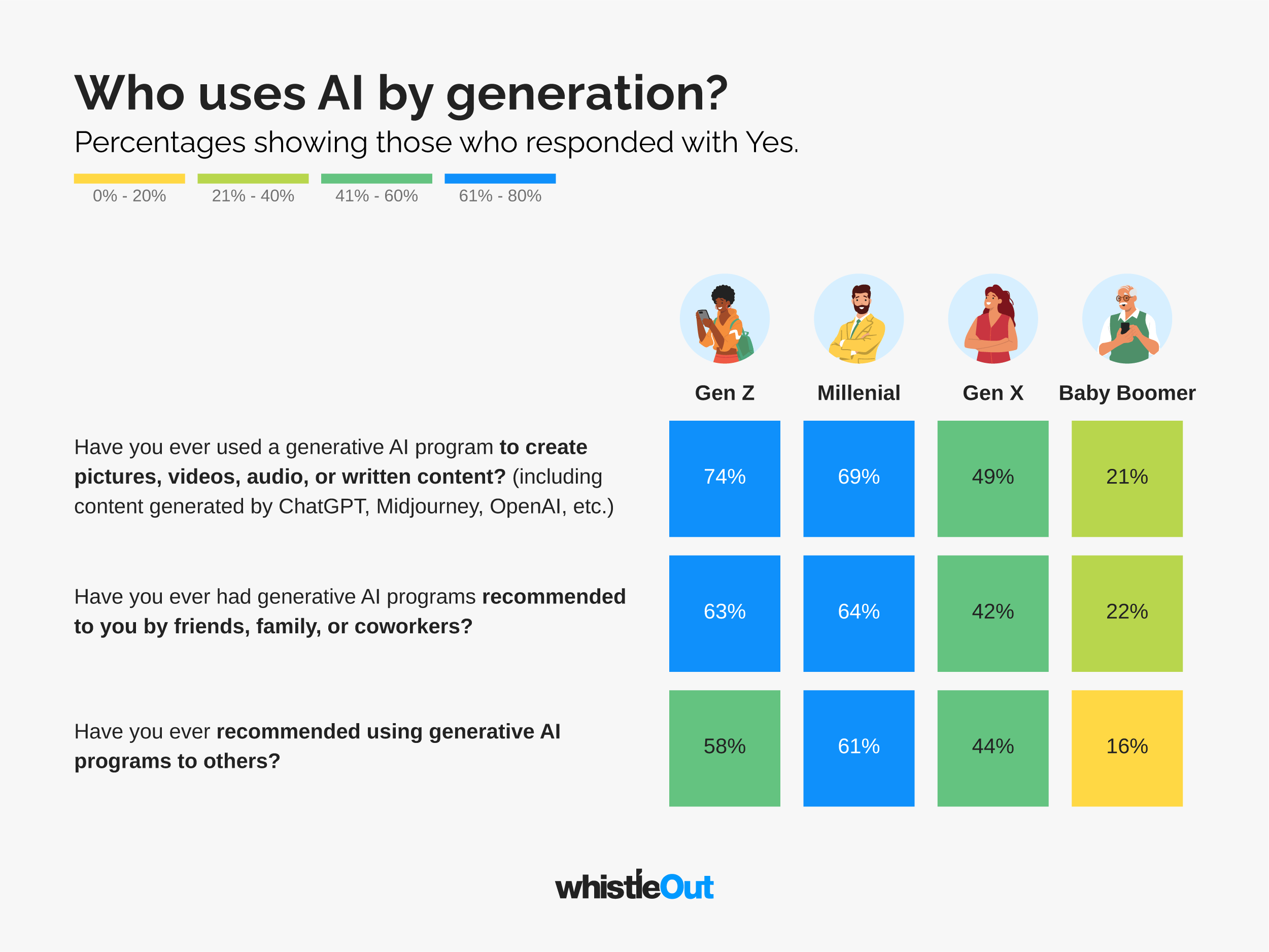
- Gen Zers are the most likely to have used generative AI (74%)
- 69% of Millennials have used AI to create content and are the most likely to recommend it to others (61%)
- 43% of Americans have recommended using generative AI to others
- Most Gen Z and Millennials have had generative AI recommended to them by friends, family, or coworkers.
Many people use these tools for fun, but as evidenced by friends and coworkers recommending the use of AI, it’s increasingly appearing in settings like the office and the classroom. This can have a positive effect by allowing people to increase their efficiency. That said, it can also be used to cut corners in the workplace and help students cheat.
Confidence in identifying AI
Are you smarter than a computer? As we previously stated, nearly 2 in 5 people are confident that they can spot AI-generated content on the internet, but less than half of them are right.
- Confidence in spotting AI online in 2024 is split nearly down the middle (39% confident they can spot it, 36% not confident, and 26% unsure either way)
- 72% of people incorrectly guess which images are AI when presented with AI-generated and real photographs side by side
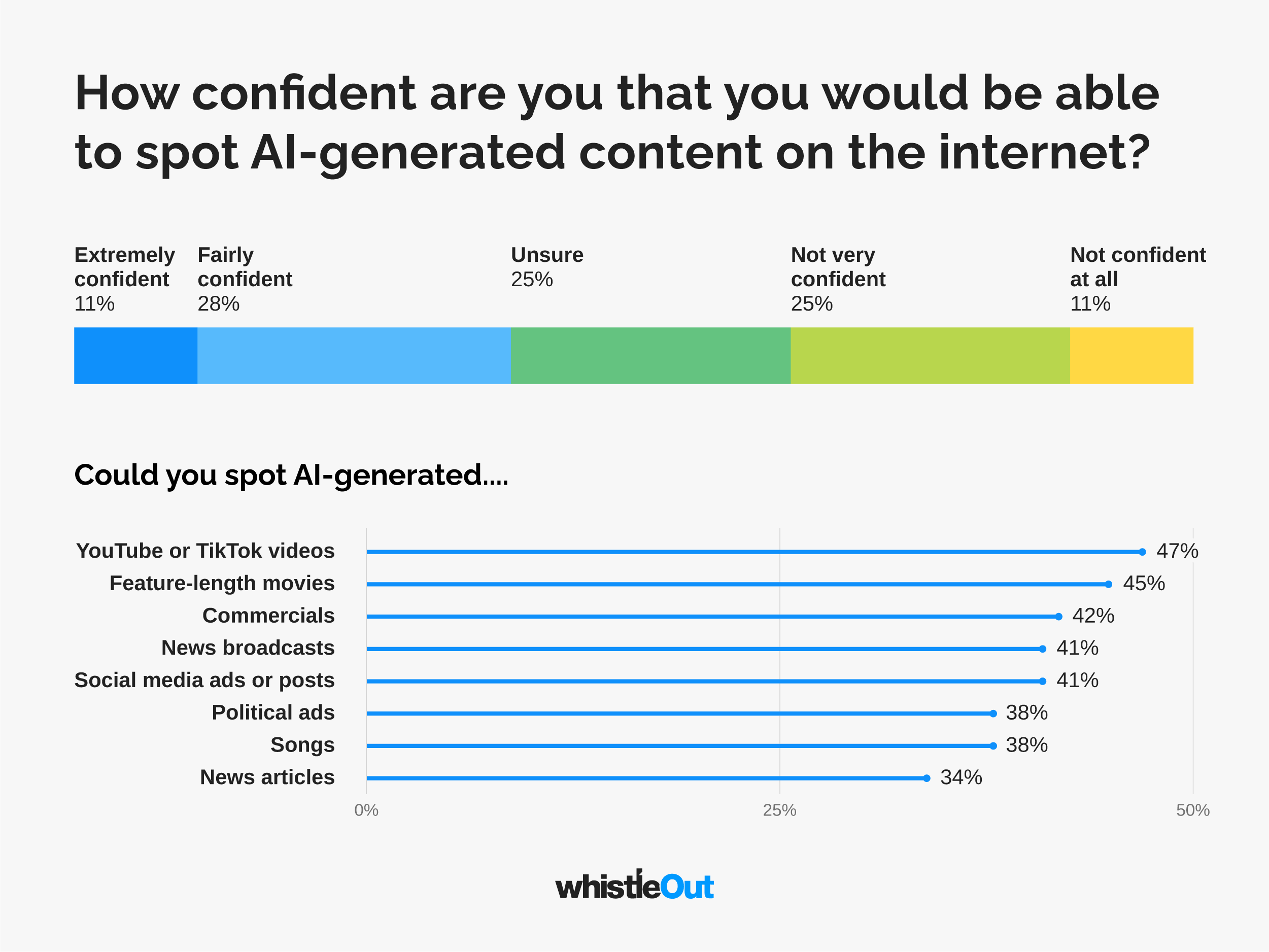
Even with that data in mind, some people were more confident than others. Younger generations who typically use the most technology had the highest confidence that they could identify AI imagery. Most Baby Boomers felt they could not.
- Gen Zers are the most confident that they can spot AI-generated content online (60%), followed closely by Millennials (58%)
- Only 1 in 10 Baby Boomers think they could spot AI-generated content online
Can you spot the AI?
Individuals had trouble identifying AI-generated images no matter what the subjects were. In a series of images of U.S. politicians, survey participants routinely failed to identify real and AI-generated images of President Biden and former Presidents Obama and Trump. In fact, 66% of people incorrectly identified real photographs of President Biden as AI-generated.
Participants also couldn’t tell the difference between real and generated images of celebrities like Kim Kardashian. The numbers got even worse with close-up portraits, animals, and stock-image photos.
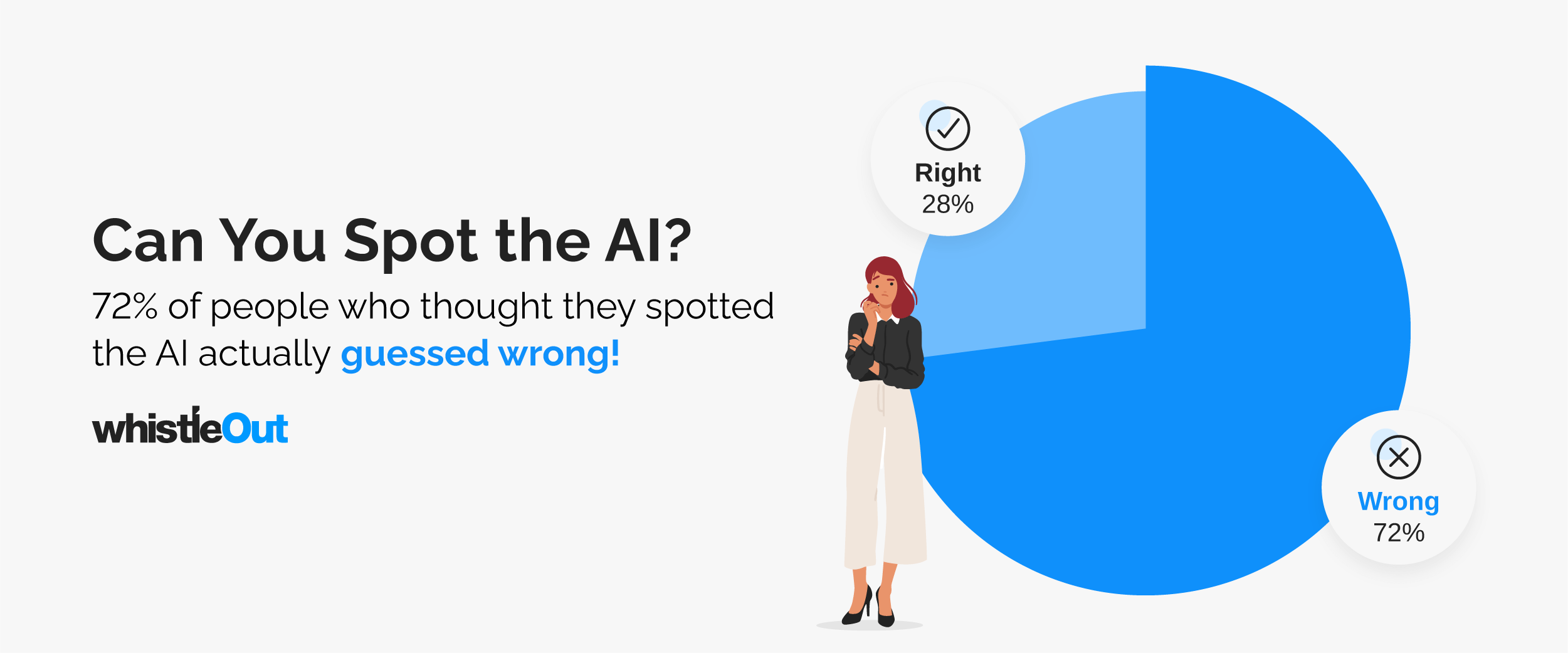
Overall, no generation was very good at identifying AI-generated photos. Despite Gen Z’s confidence, only 29% of their participants guessed correctly. Baby Boomers, who are typically a bit less tech-savvy, had the lowest rates of success.
- Gen Zers were the most accurate at identifying AI-generated images, but under a third (29%) actually guessed correctly
- Baby Boomers were the least able to accurately identify AI images—three-quarters (75%) guessed incorrectly
- 70% of people who said they could confidently identify AI images before the test guessed incorrectly
- Only 29% of people who were confident they'd guessed correctly actually did
- 62% of people admitted to having difficulty identifying the AI images, but 55% were still confident in their answers
Test yourself: Can you spot the AI?
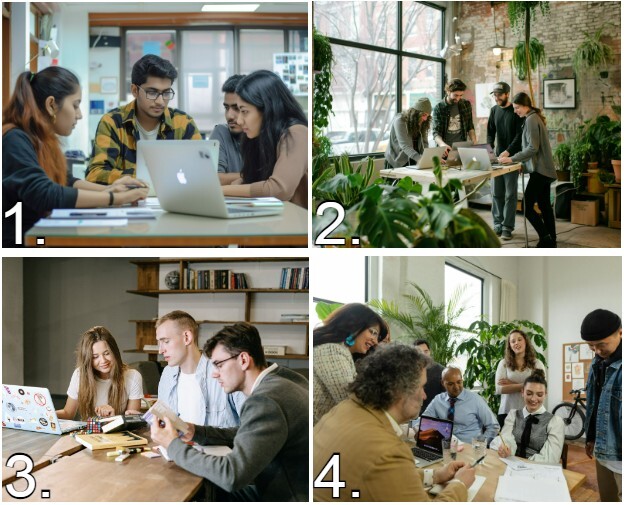
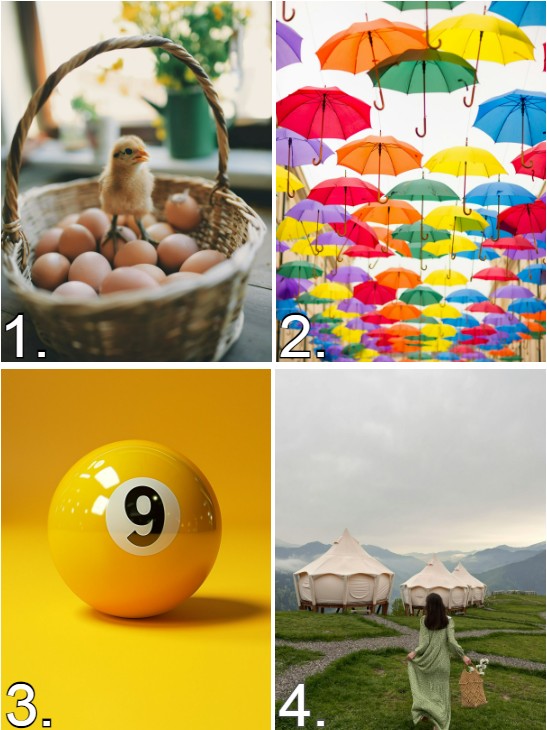
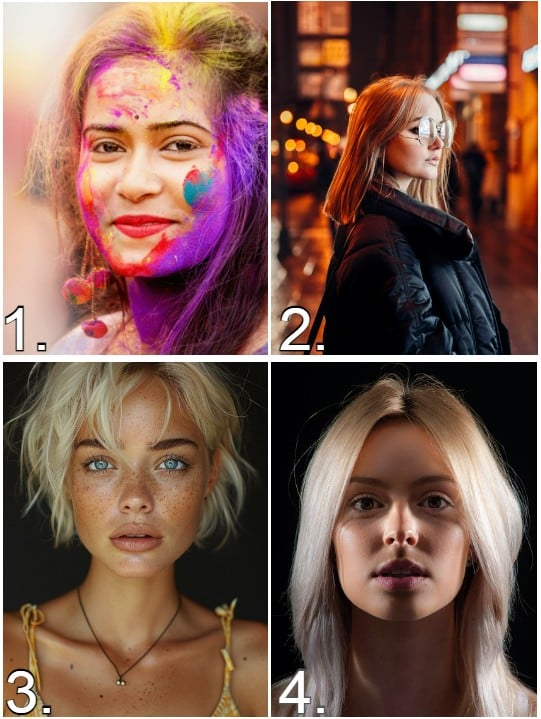
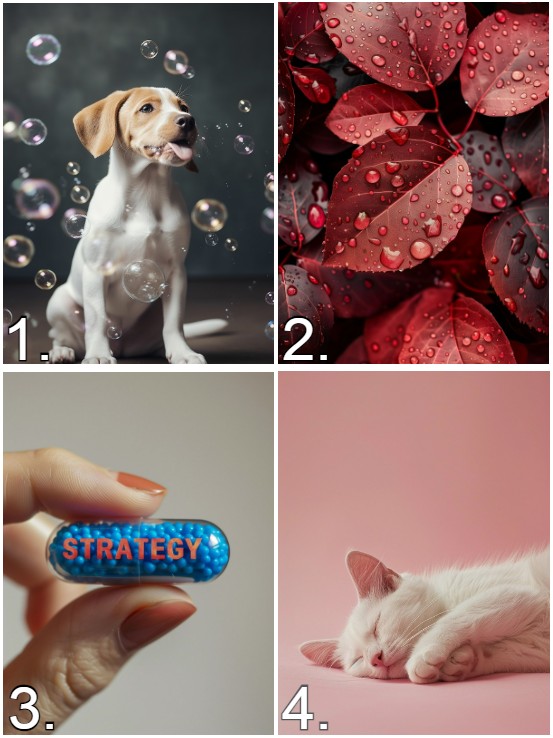
Sentiment on the use of AI
As AI has gotten more popular and sophisticated, there are mixed opinions about its use. Some people feel that AI images are essentially lies. They are simply fake versions of the world being passed off as the real thing by people and corporations. On the other hand, some people have no problem with AI and think it’s generally harmless or will result in a net positive for the world.
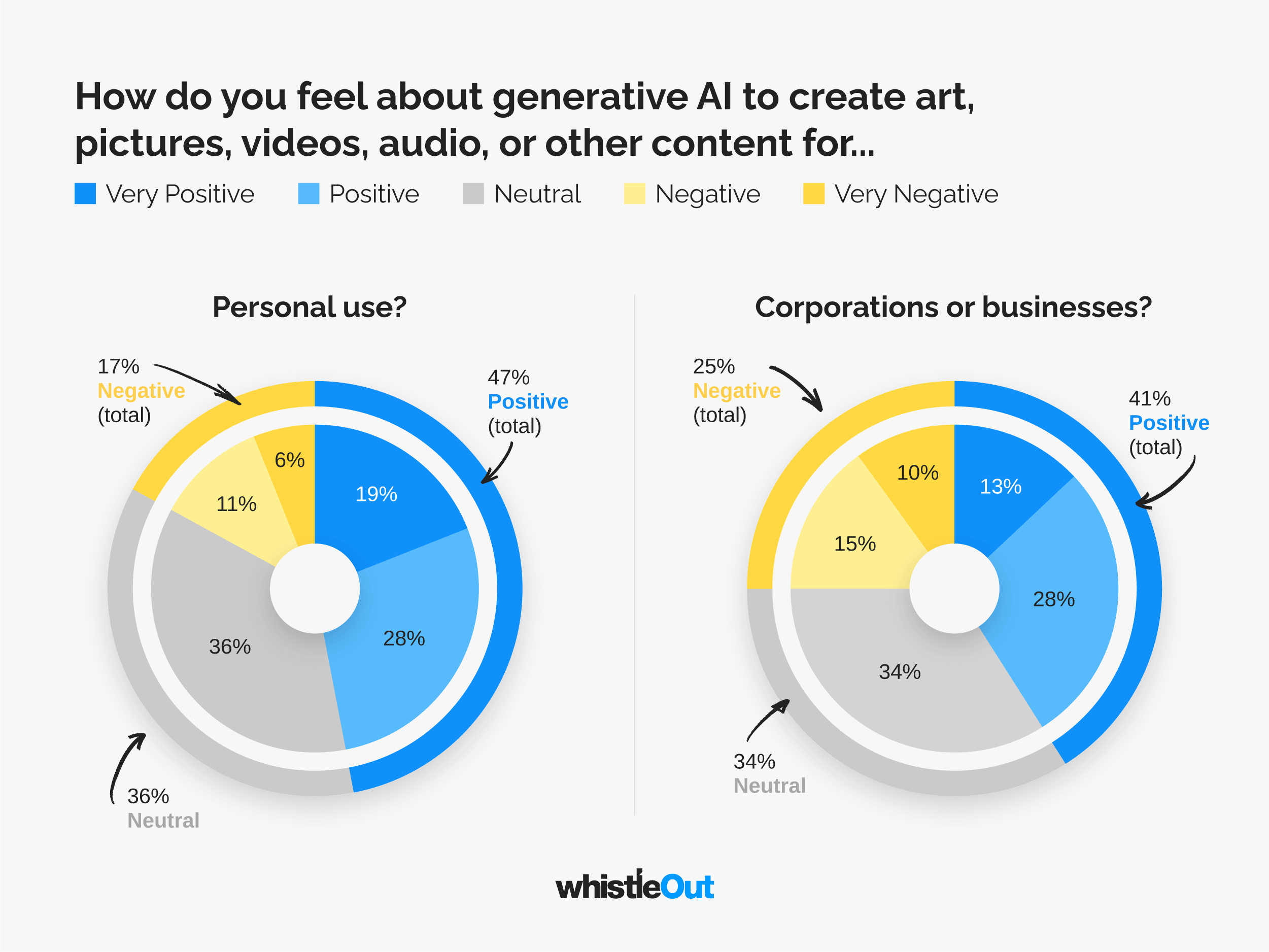
- 1 in 4 Americans feel negatively about corporations or businesses using generative AI
- Millennials feel the most positive about the application of AI for both personal and corporate use
AI trust and regulation
One thing most Americans do agree on is the federal regulation of AI. This can encompass many different aspects of the industry, from the use of copyrighted data to create AI training sets to forcing companies and people to publicly tag AI-generated images in their media.
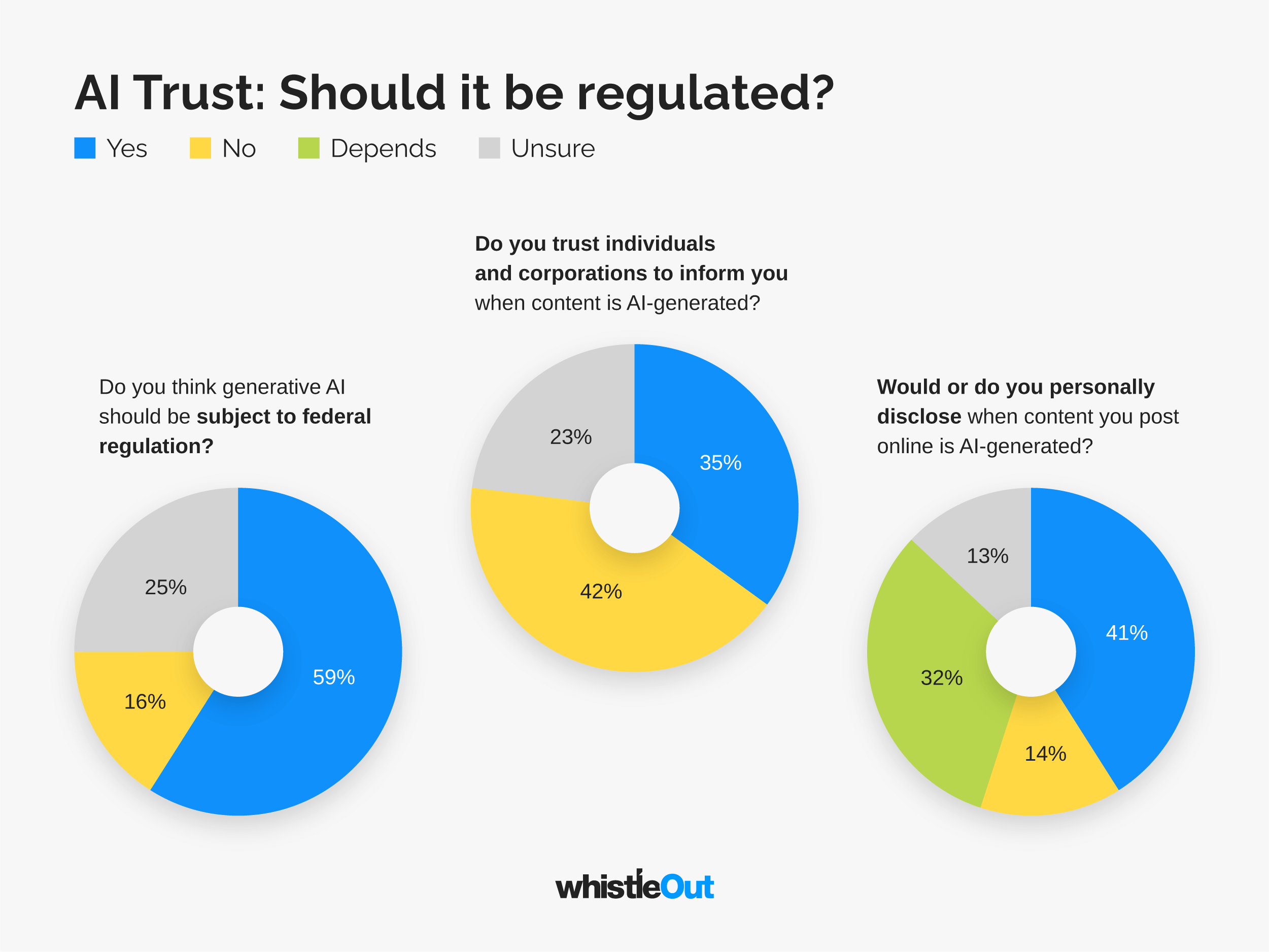
- 59% of Americans think AI should be federally regulated
- 42% of people don't trust that individuals or corporations would inform them when an image is AI, while another 23% are unsure
- Gen Z is the most trusting that individuals and businesses would tell them when an image is AI-generated (48%)
- Gen Z is also the most likely to disclose when they're posting or sharing AI-generated content online
- While 41% of people say they'd always disclose when they post AI-generated content online, 32% say it depends on the circumstances, and 14% say they'd never disclose AI-generated content
Recap: The future of AI images
Whether you like it or not, AI-generated content isn’t going anywhere for now. Truthfully, it’ll likely become even more prevalent as companies add generative AI features directly into the software of smartphones. This has already occurred with devices like the Google Pixel 8 and Samsung Galaxy S24. As a society, this leaves us in an interesting position since most Americans can’t tell the difference between AI-generated images and real photos on the internet.
We may become better at identifying the images as time passes. After all, this is new technology. On the other hand, AI-generated images will also continue to improve, making it even more difficult to identify them. Last year, we asked Midjourney to create images of future cell phones. When compared to the images we recently created for our surveys, you can see how far the technology has progressed in such a short time.
Artificial intelligence experts see both benefits and drawbacks to its use. AI-generated images can let anyone express their creativity and create digital art. They can improve efficiency and even act as cost-saving tools for businesses.
That said, bad actors also have access to this technology. Media experts have concerns about the danger of online misinformation being supercharged by AI-generated imagery. There are also fears of jobs being replaced and questions about whether an AI image is truly “art” since it was created by a machine’s imagination.
No matter what, we must all exercise increased diligence when interpreting images we see online. As you’ve seen by now, anyone can be fooled.
Our top AI apps and data plans to run them
As experts in the mobile field, we’ve had the chance to check out some exciting AI-driven apps. We frequently review them as some of our Best New Apps of the Month. You’ll also find them on our guides like the best translation apps for travel and the best organization apps.
No matter what kind of AI apps you use, they’ll require mobile data. AI needs access to its training data to answer your questions and help solve your problems. Luckily, data plans that can support AI apps don’t have to break the bank. You can use our data usage guide to figure out how much data you typically use in a month and search for a plan from there.
Smaller carriers called MVNOs offer priority data on big networks for a fraction of the cost. Our top pick for data on the T-Mobile network is the Mint Mobile Unlimited plan. It offers 50GB of priority data and a 20GB mobile hotspot starting at just $30/month. For average users, 50GB is plenty of data for your AI apps, especially if you have access to Wi-Fi at home and work. Plus, if you opt for the 12-month option, you can score this plan for $15/month ($180 up-front) which makes this plan even more valuable.
Mint Mobile Unlimited Data Plan

| Carrier | Mint Mobile |
|---|---|
| Data | Unlimited Data |
| Type | No Contract |
| Current Deal | Get this unlimited plan for just $10/mo. for the first 6 months of service |
| Total Price |
$10 per month
$60 for 6 months of service
|
| View Plan |

For heavy users who need more data, US Mobile’s Unlimited Premium plan offers one of the largest data allotments on the market. Starting at $44/month, it includes unlimited priority data and a 50GB mobile hotspot on all three major networks. Plus, if you get a family plan with three or more lines, you can get a free streaming perk to services like Netflix or Max.
US Mobile Unlimited Premium Plan

| Carrier | US Mobile |
|---|---|
| Data | Unlimited Data |
| Type | No Contract |
| Current Deal | Get this monthly plan for only $20 for 6 months of service w/ port-in using promo code FBF20 OR $5 off per month for 6 months OR 30 Days FREE Trial |
| Total Price |
$20 per month
|
| View Plan |
Methodology
We surveyed 1,000 U.S. adults using Pollfish, images generated by Midjourney AI, stock images from Pexels.com, and images of public figures taken from Google Images.
Max McCaskill
Sr. Staff Writer

Thousands of cell phone plans unpacked. All the facts. No surprises.





.png?w=280&h=280&usm=20&usmrad=0.8&fit=crop "The Best Cheap Phone Plans for 2026: We Tested Them All to Help You Save")