A dual SIM phone is a smartphone that can use two different SIM cards simultaneously. This allows the device to function with two different numbers and phone plans on one handset. Dual SIMs are ideal for people needing a separate phone line for work or when tapping into a foreign network while traveling abroad.
The best dual SIM devices are the iPhone 17, Samsung Galaxy S26, and Google Pixel 10. While these are our top picks, virtually all modern smartphones support dual SIM capability, whether through physical SIM cards or eSIM.
Read on for our top picks for the best dual SIM devices. We'll also dive into how dual SIM phones work and offer a list of popular phones that have the feature.
Best dual SIM phones: expert picks
| iPhone 17 |
Samsung Galaxy S26 |
Google Pixel 10 |
|
|---|---|---|---|
| Dual SIM support | Dual eSIM (eSIM-only in U.S.) |
1 x physical SIM card slot eSIM compatibility |
Dual eSIM (eSIM-only in U.S.) |
| Screen | 6.3" |
6.3” |
6.3” |
| Cameras | 48MP fusion main 48MP fusion ultra-wide 18MP Center Stage selfie |
50MP wide 12MP ultra-wide 10MP telephoto 12MP selfie |
48MP wide 13MP ultrawide 10.8MP 5x telephoto 10.5MP selfie |
| Processor | A19 | Snapdragon 8 Elite Gen 5 | Google Tensor G5 |
| Storage | 256GB 512GB |
256GB 512GB |
128GB 256GB |
| 5G support | Yes | Yes | Yes |
| Starting MSRP | $799 | $899 | $799 |
| Learn more | View on Amazon | View on Amazon | View on Amazon |
What is a dual
SIM phone?
A dual SIM phone is a mobile phone that can utilize two different SIM cards simultaneously. This setup allows users to operate two different phone numbers, data plans, and potentially networks on one device.
There are plenty of practical uses for having a dual SIM in your phone. One of the most common is for travel. You can avoid avoid roaming charges on your domestic plan when you purchase a cheaper foreign SIM card to use while abroad. You can also combine your work number and personal number into one device to make life easier.
How do dual SIM
phones work?
Dual SIM phones work by having either two different physical SIM cards installed in a single device or by relying on eSIM technology. Your device is smart enough to use both SIM cards at the same time, or you can turn them on and off separately whenever you want.
Some smartphones offer a tray that allows two physical SIM cards. The tray may be double-sided or long enough to fit two cards. To use this kind of dual SIM technology, simply install both cards and restart your phone.
Most of the newest smartphones also support eSIM technology. An eSIM—embedded Subscriber Identity Module—is essentially a digital SIM card that is downloaded onto your device. Most Samsung, Google, and Motorola devices support both physical SIM cards and eSIM technology. However, the newest iPhones rely entirely on eSIMs.
Best dual SIM iPhones
Apple added dual SIM support in 2018 with the release of the iPhone XS. Since then, all of its releases have offered the feature, meaning you have plenty of options when picking an eSIM iPhone. Our pick for the best dual eSIM iPhone is the iPhone 17.
Apple iPhone 17
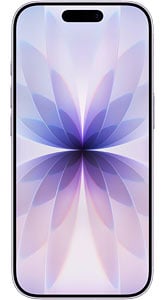
- Display: 6.3"
- Dual eSIM compatibility
- Cameras: Rear-48MP, 48MP; Front-18MP
The iPhone 17 is an excellent dual SIM handset. Apple still doesn't offer a physical SIM card slot on its U.S. iPhones, but you can download up to eight different eSIM profiles onto the iPhone 17 and have two active at the same time.
As Apple's newest standard flagship, the iPhone 17 brings a few solid upgrades over the iPhone 16. The display jumped from 6.1 to 6.3 inches with a smoother 120Hz ProMotion refresh rate, which used to be a Pro-only feature. The new Center Stage front camera is the headline addition this year, with an 18MP lens that automatically switches between landscape and portrait orientation. You also get the new A19 chip, the full suite of Apple Intelligence features, and a $799 starting price for 256GB. Apple dropped the 128GB option this year, so 256GB is the new floor.
- Pros: Stores up to 8 eSIM profiles with 2 active at once, new 18MP Center Stage front camera, 120Hz ProMotion display, A19 chip with full Apple Intelligence support
- Cons: No physical SIM slot in the U.S., 128GB storage option dropped this generation
Who should buy the iPhone 17?
The iPhone 17 is the best dual SIM phone for iPhone loyalists who want the latest hardware and need to juggle multiple eSIM profiles for work, personal, or travel use. With support for up to eight stored eSIMs and two active at once, it's a strong pick for frequent travelers who already live in the Apple ecosystem.
View at AT&T View at T-Mobile View at Verizon View at AmazonOther dual SIM iPhones
Virtually all new iPhones offer dual SIM technology. Here are some of the most popular dual SIM models below:
iPhone 18 Pro 256GB
- 6.3 inch display
- Rear Cameras: 48MP, 48MP, 48MP
- Front Camera: 18MP

iPhone 18 Pro Max 256GB
- 6.9 inch display
- Rear Cameras: 48MP, 48MP, 48MP
- Front Camera: 18MP

iPhone 18 Pro 512GB
- 6.3 inch display
- Rear Cameras: 48MP, 48MP, 48MP
- Front Camera: 18MP

iPhone 18 Pro 1TB
- 6.3 inch display
- Rear Cameras: 48MP, 48MP, 48MP
- Front Camera: 18MP

iPhone 18 Pro Max 1TB
- 6.9 inch display
- Rear Cameras: 48MP, 48MP, 48MP
- Front Camera: 18MP


Best dual SIM Samsungs
In 2007, Samsung became one of the first major smartphone companies to offer a handset with dual SIM technology. That said, it would still take years for it to become a standard feature on all Samsung devices. Our pick for the best dual SIM Samsung is the Galaxy S26.
Samsung Galaxy S26
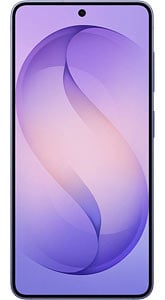
- Display: 6.3"
- Physical SIM tray and eSIM compatibility
- Cameras: Rear-50MP, 12MP, 10MP; Front-12MP
The Samsung Galaxy S26 is a multi-SIM phone that uses both a physical SIM slot and eSIM technology. The physical tray holds one Nano-SIM card, but you can save multiple eSIM profiles on the device. Just remember, the phone will only allow you to use two SIM lines at the same time.
Samsung is well-known for its powerful smartphones with excellent camera capabilities. The Galaxy S26 carries that legacy with a 50MP main camera and an upgraded Nightography Video mode that uses AI to brighten low-light footage and reduce noise. The S26 also brings a new Snapdragon 8 Elite Gen 5 chip in North America, plus updated Galaxy AI tools like Now Nudge, which surfaces context-aware suggestions in your messaging apps. The MSRP starts at $899 for 256GB, since Samsung also dropped the 128GB option this generation.
- Pros: Physical Nano-SIM tray plus eSIM support, 50MP triple camera with upgraded Nightography Video, Snapdragon 8 Elite Gen 5 in North America, 7 years of OS and security updates
- Cons: $899 starting price is the highest of our top three picks, no 128GB option, camera hardware carried over from the S25
Who should buy the Galaxy S26?
The Galaxy S26 is the best dual SIM phone for anyone who still wants a physical SIM card slot in 2026. It's the only one of our top picks with a Nano-SIM tray, which makes it ideal for international travelers who want to swap in a cheap local SIM abroad without going fully eSIM.
View at AT&T View at T-Mobile View at Verizon View at AmazonOther dual SIM Samsung devices
All of Samsung's recent devices offer dual SIM capability. This list includes Samsung's popular foldable phones like the Z Flip and Z Fold series. Here are some of the most popular Samsung models below:
Galaxy S26 FE 5G 128GB
- 6.7 inch display
- Rear Cameras: 50MP, 12MP, 8MP
- Front Camera: 12MP
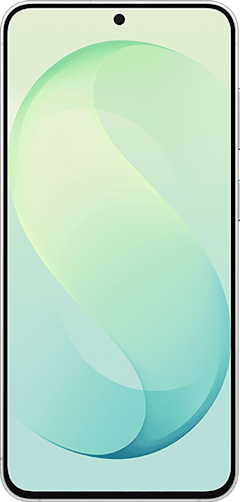
Galaxy S26 FE 5G 256GB
- 6.7 inch display
- Rear Cameras: 50MP, 12MP, 8MP
- Front Camera: 12MP
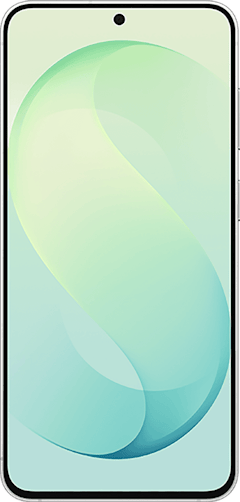
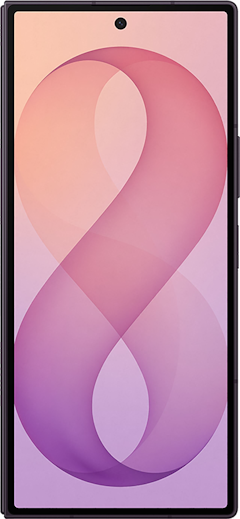
Galaxy Z Fold8 Ultra 5G 256GB
- 8 inch display
- Rear Cameras: 200MP, 50MP, 10MP
- Front Cameras: 10MP, 10MP
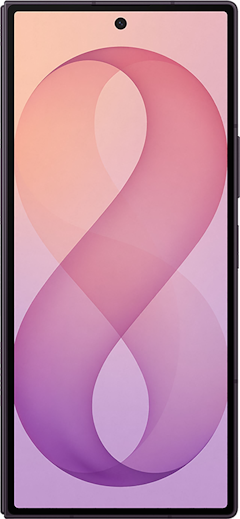
Galaxy Z Fold8 Ultra 5G 512GB
- 8 inch display
- Rear Cameras: 200MP, 50MP, 10MP
- Front Cameras: 10MP, 10MP
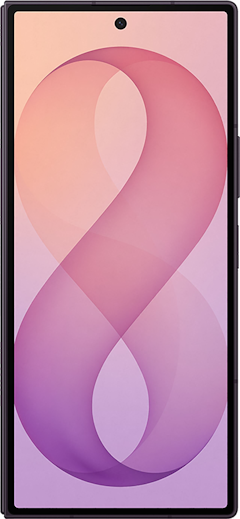
Galaxy Z Fold8 Ultra 5G 1TB
- 8 inch display
- Rear Cameras: 200MP, 50MP, 10MP
- Front Cameras: 10MP, 10MP
Best dual SIM Google Pixel
In 2019, Google finally joined the dual SIM club when it offered the feature with the Pixel 3a. Since then, all of Google's devices have offered dual SIM technology. Our pick for the best dual SIM Google Pixel is the Pixel 10.
Google Pixel 10
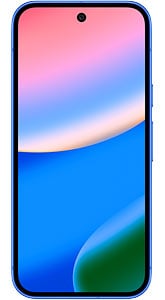
- Display: 6.3"
- Dual eSIM compatibility
- Cameras: Rear-48MP, 13MP, 10.8MP; Front-10.5MP
The Google Pixel 10 went eSIM-only in the U.S., joining Apple in dropping the physical SIM tray. You can store eight or more eSIM profiles on the device and run two of them at the same time. If you bought a Pixel 10 outside the U.S., you'll still get a hybrid setup with one physical SIM slot and eSIM support.
Google's Pixel lineup has established itself as a leader in camera technology and smartphone AI. The Pixel 10 is the first non-Pro Pixel to ship with three rear cameras: a 48MP main lens, a 13MP ultrawide, and a 10.8MP 5x telephoto with up to 20x Super Res Zoom. The new Tensor G5 chip handles the heavy lifting on the AI side, powering features like Magic Cue, Camera Coach, and on-device Voice Translate. The Pixel 10 also added Pixelsnap, Google's MagSafe-style magnetic accessory system. The MSRP is $799 for 128GB.
- Pros: First non-Pro Pixel with a 5x telephoto lens, Tensor G5 with strong on-device AI features, Pixelsnap magnetic accessories, 7 years of OS and security updates
- Cons: Now eSIM-only in the U.S., 128GB base storage feels tight in 2026, Tensor G5 throttles under sustained heavy load
Who should buy the Pixel 10?
The Pixel 10 is the best dual SIM phone for photography buffs and Gemini fans who don't mind going eSIM-only. The triple camera setup, including the new 5x telephoto, makes it the strongest shooter of our top three picks.
View at AT&T View at T-Mobile View at Verizon View at AmazonOther dual SIM Pixel devices
All of Google's most recent releases include dual SIM technology. This includes the flagship models, budget devices, and the Google Fold series. These are some of the most popular Pixel models below:
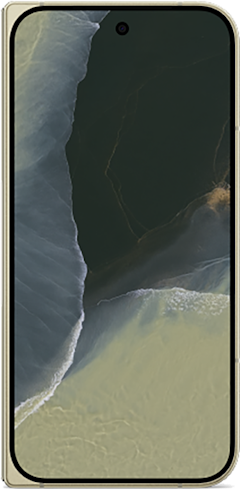
Pixel 11 Pro Fold 5G 256GB
- 8 inch display
- Rear Cameras: 48MP, 10.5MP, 10.8MP
- Front Cameras: 10MP, 10MP
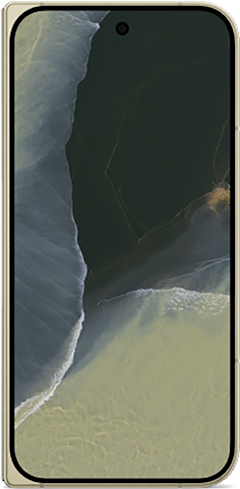
Pixel 11 Pro Fold 5G 512GB
- 8 inch display
- Rear Cameras: 48MP, 10.5MP, 10.8MP
- Front Cameras: 10MP, 10MP
Pixel 11 256GB
- 6.3 inch display
- Rear Cameras: 48MP, 13MP, 10.8MP
- Front Camera: 10.5MP

Pixel 11 512GB
- 6.3 inch display
- Rear Cameras: 48MP, 13MP, 10.8MP
- Front Camera: 10.5MP

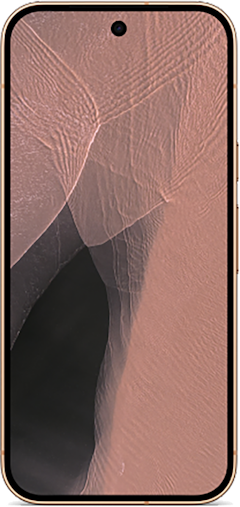
Pixel 11 Pro 256GB
- 6.3 inch display
- Rear Cameras: 50MP, 48MP, 48MP
- Front Camera: 42MP
Which phones have
dual sim compatibility?
Most smartphones made since 2020 have dual SIM compatibility. Below, you'll find lists of the most popular phones from Apple, Samsung, and Google that include the dual SIM feature. If you're looking for a deal on the newest Android phone, take a look at our Android phone deals guide.
Smartphones with dual SIM compatibility
- iPhone 17 Pro Max
- iPhone 17 Pro
- iPhone Air
- iPhone 17e
- iPhone 17
- iPhone 16 Pro Max
- iPhone 16 Pro
- iPhone 16 Plus
- iPhone 16e
- iPhone 16
- iPhone 15 Pro Max
- iPhone 15 Pro
- iPhone 15 Plus
- iPhone 15
- iPhone 14 Pro Max
- iPhone 14 Pro
- iPhone 14 Plus
- iPhone 14
- iPhone 13 Pro Max
- iPhone 13 Pro
- iPhone 13 mini
- iPhone 13
- iPhone 12 Pro Max
- iPhone 12 Pro
- iPhone 12 mini
- iPhone 12
- iPhone 11 Pro Max
- iPhone 11 Pro
- iPhone 11
- iPhone XS
- iPhone XS Max
- iPhone XR
- iPhone SE (2nd generation)
- iPhone SE (3rd generation)
- Samsung Galaxy S26
- Samsung Galaxy S26+
- Samsung Galaxy S26 Ultra
- Samsung Galaxy S25
- Samsung Galaxy S25+
- Samsung Galaxy S25 Ultra
- Samsung Galaxy S24
- Samsung Galaxy S24+
- Samsung Galaxy S24 Ultra
- Samsung Galaxy S23
- Samsung Galaxy S23+
- Samsung Galaxy S23 FE
- Samsung Galaxy S23 Ultra
- Samsung Galaxy S22
- Samsung Galaxy S22+
- Samsung Galaxy S22 Ultra
- Samsung Galaxy S21 5G
- Samsung Galaxy S21+ 5G
- Samsung Galaxy S21 FE 5G
- Samsung Galaxy S21 Ultra 5G
- Samsung Galaxy S20
- Samsung Galaxy S20 5G
- Samsung Galaxy S20+
- Samsung Galaxy Z Flip7 FE
- Samsung Galaxy Z Flip7
- Samsung Galaxy Z Flip6
- Samsung Galaxy Z Flip5
- Samsung Galaxy Z Flip4
- Samsung Galaxy Z Flip3
- Samsung Galaxy Z Flip 5G
- Samsung Galaxy Z Flip
- Samsung Galaxy Z Fold7
- Samsung Galaxy Z Fold6
- Samsung Galaxy Z Fold5
- Samsung Galaxy Z Fold4
- Samsung Galaxy Z Fold3
- Samsung Galaxy Z Fold2
- Samsung Galaxy Z Fold
- Samsung Galaxy A57 5G
- Samsung Galaxy A56 5G
- Samsung Galaxy A55 5G
- Samsung Galaxy A54 5G
- Samsung Galaxy A53 5G
- Samsung Galaxy A52
- Samsung Galaxy A52 5G
- Samsung Galaxy A51
- Samsung Galaxy A51 5G
- Samsung Galaxy A50
- Samsung Galaxy A42 5G
- Samsung Galaxy A41
- Samsung Galaxy A40
- Samsung Galaxy A37 5G
- Samsung Galaxy A36 5G
- Samsung Galaxy A35 5G
- Samsung Galaxy A34 5G
- Samsung Galaxy A33 5G
- Samsung Galaxy A32
- Samsung Galaxy A31
- Samsung Galaxy A30
- Samsung Galaxy A26 5G
- Samsung Galaxy A25
- Samsung Galaxy A24
- Samsung Galaxy A23
- Samsung Galaxy A22
- Samsung Galaxy A21
- Samsung Galaxy A20
- Samsung Galaxy A17 5G
- Samsung Galaxy A07 5G
- Pixel 10a
- Pixel 10 Pro Fold
- Pixel 10 Pro XL
- Pixel 10 Pro
- Pixel 10
- Pixel 9a
- Pixel 9 Pro Fold
- Pixel 9 Pro XL
- Pixel 9 Pro
- Pixel 9
- Pixel 8a
- Pixel 8 Pro
- Pixel 8
- Pixel Fold
- Pixel 7a
- Pixel 7 Pro
- Pixel 7
- Pixel 6a
- Pixel 6 Pro
- Pixel 6
- Pixel 5a
- Pixel 5
- Pixel 4a
- Pixel 4 XL
- Pixel 4
- Pixel 3a
Max McCaskill
Sr. Staff Writer

Thousands of cell phone plans unpacked. All the facts. No surprises.





.png?w=280&h=280&usm=20&usmrad=0.8&fit=crop "The Best Cheap Phone Plans for 2026: We Tested Them All to Help You Save")