About a year and a half into owning my Galaxy Z Fold5, I noticed a pretty deep scratch straight down the middle of my inner screen. So I did what any reasonable person does when they damage a $1,800 phone: I panicked. The internet told me inner screen replacements would run me around $500, which, of course, I didn't want to pay.
Then I learned something about my phone: The inner display ships with a factory-applied screen protector on top of the glass. I didn't scratch my screen; I scratched the screen protector.
I ordered a replacement for $10 and fixed it myself in ten minutes.
I hope this helps show what it's like to own a foldable phone. As with any new phone, there's a learning curve to understanding how it works and what's different from other phones you've had in the past. And after two and a half years with the Fold5, I can confidently say I am past the learning curve and ready to share my experience.
So if you've been asking yourself if you should buy a foldable phone, let me help you make your decision.
The two types of foldable phones
Before we get into the quirks, there are two types of foldable phones on the market, and they work quite differently. The flip phone versus the book-style fold phone distinction is the first thing you should understand before buying.
- Book-style folds like the Galaxy Z Fold series, Google Pixel Pro Fold, and Motorola Razr Fold open like a small book to reveal a large, tablet-sized inner display. This is the type I own, and most of what I'm sharing below comes from that experience.
- Clamshell flips like the Galaxy Z Flip series and the Motorola Razr lineup fold in half along a horizontal hinge. You don't get any extra screen real estate. The whole point is that a full-sized smartphone gets a lot more compact when it folds to close.
The quirks I'm covering below apply most directly to book-style folds, but price and durability considerations apply to both.
The quirks of owning a foldable phone
The most common foldable phone problems come down to a handful of things—and none of them are dealbreakers once you understand them.
The screen protector situation
Going back to my story, the inner display on a book-style fold ships with a factory-applied soft film screen protector. Samsung doesn't make this very obvious, and it matters because the inner display is more susceptible to scratching than the glass on a standard phone.
However, the inner screen's protective film is actually regenerative. Minor scratches and small dents will typically recover on their own within about a day. So before you panic about any damage to the inner display, give it 24 hours. If the screen still looks scratched after a day, consider replacing the screen protector.
Most apps aren't built for the inner display
This limitation has been my biggest day-to-day frustration with my Galaxy Z Fold5. When you open a lot of apps on the inner display, they don't really know what to do with all that extra space. Some stretch awkwardly to fill the screen while others open in a narrow column with empty bars on either side.
You can force apps into full-screen mode to work around it—here's a guide to doing that if you're interested—but it doesn't fix the underlying problem.
But, there's a good chance this will get better soon. In fact, there already are a few really great apps to use on foldable phones. The iPhone Fold is widely rumored for later this year, and many people have told me they'll buy a foldable as soon as Apple makes one. Once that happens at scale, app developers will have a real financial incentive to build for foldable displays, and the app experience will likely improve.
Video on a foldable phone isn't as good as you'd think
When I bought my Galaxy Z Fold5, I assumed that having a 7.6-inch inner display would mean a noticeably better video-watching experience. But I quickly learned that wasn't the case.
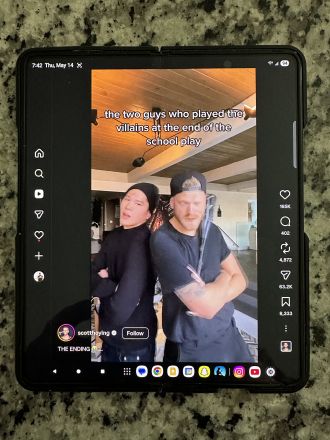
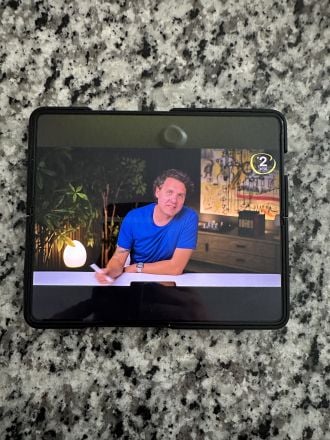
When you factor in the black bars around the video, you aren't seeing a video that is much bigger than it would be on a normal phone screen.
Image: Scott Houghton | WhistleOut
When you play a video in full-screen on the inner display, the bezels are huge, and the actual video playback area is roughly the same size as on a regular phone. You're not watching on a bigger screen. You're watching on a similar-sized screen with a lot of black bars around it. And honestly, unless phone designers redesign the aspect ratio of the inner screen on foldables, I don't think this will change anytime soon.
You need a case, and not just for protection
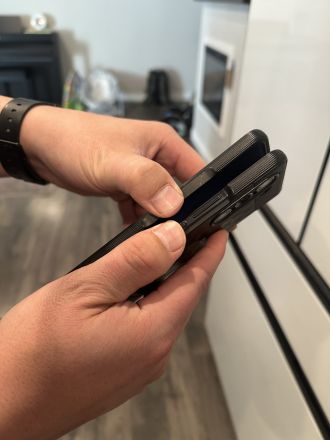
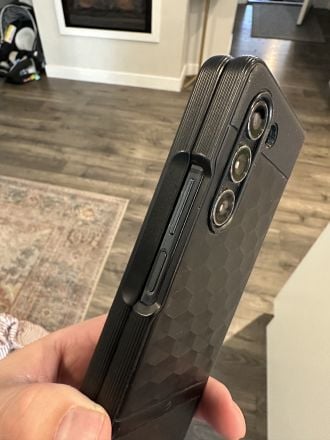
A case adds a ridge to your foldable phone so your fingers have something to grab onto, making it easier to open.
Image: Scott Houghton | WhistleOut
Cases can improve and protect any phone, but on a Samsung fold, they actually change how the phone functions. The hinge on any Galaxy Z Fold model is stiff enough that opening the phone is awkward and can be pretty difficult. A good case adds a slight ridge along the fold edge, giving you something to grip onto when you open it.
Cases also make the phone a lot less slippery. I've used my Fold5 without a case a handful of times, and I've been nervous the whole time. When you factor in the phone's cost, a quality case is just part of the investment.
The outer screen has barely changed over the years
One of the more persistent quirks of owning a book-style fold is that the outer cover screen has a slightly different aspect ratio from that of a regular phone. It's narrower, which makes typing on it feel a little off. I make typos on the outer screen almost every time I try to write more than a few words.
Samsung kept the outer screen at 6.2 inches across three straight generations, while standard phones had already been sitting at 6.5 to 6.9 inches for years. Those fractions of an inch matter more than you think they would. The Fold7 is the first model where the outer screen finally feels like a normal phone to use, which is a good sign of where the foldable phones are headed.
The Galaxy Z Fold8 is almost here
Samsung's Unpacked event is scheduled for July 22, 2026, and it could be a big one. In addition to the Galaxy Z Fold8 releasing, rumors point to a Z Fold Wide variant with a wider outer screen, much like the Pixel 10 Pro Fold's proportions.
What I've loved about it
To give you the full picture of foldable phone pros and cons, it's worth covering what's kept me sold on this phone for two and a half years, because the upsides are just as real as the quirks.
Split-screen multitasking
On a regular phone, split-screen technically exists, but it's not really usable. On the Z Fold 5, the 7.6-inch inner display is large enough that running two apps side by side actually works and makes sense. It's the biggest upside for my personal use, and I can't imagine losing it.
Reading ebooks and other digital media
Reading on the inner display easily beats out reading on a regular phone. The wider aspect ratio feels more like a book page or a Kindle screen, so you see more content at once and do a lot less scrolling.
Having two screens means new ways to use my phone
The other thing I've noticed is that having two screens changes how I use my phone in an interesting way. The outer screen handles quick things like checking a notification, skipping a song, or sending a short reply to a text message. While the inner screen comes out when I'm actually doing something more intensive, like reading or watching a video.
Over time, I've found myself opening my phone much more intentionally, and the added friction of having to physically open my screen to get the best video-watching experience has genuinely helped lower my screen time, which has been nice for me.
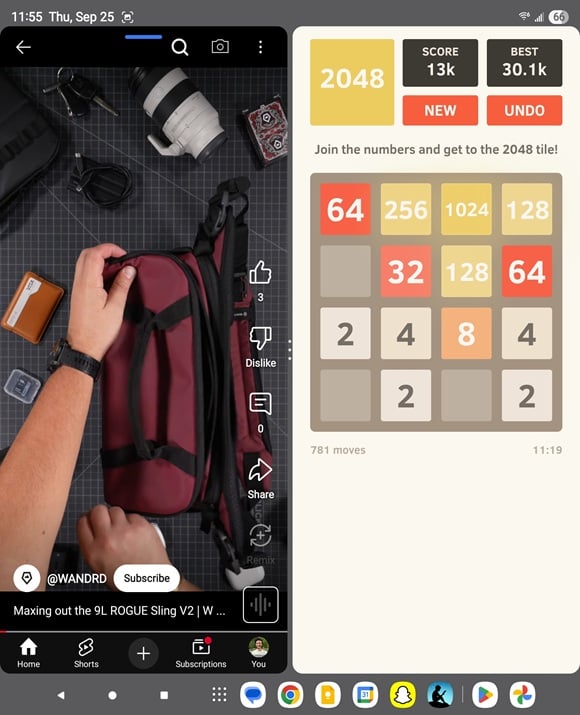
Foldable phones make split-screen actually worth it.
Image: Scott Houghton | WhistleOut
How much does a foldable phone cost?
When you compare a foldable phone to a regular phone for price, the gap is significant. Here's how the current market looks:
Foldable vs. standard phone prices
| Phone | Type | Starting price | See more |
|---|---|---|---|
| Samsung Galaxy S26 | Standard flagship | $799 | See more |
| Google Pixel 9 Pro | Standard flagship | $999 | See more |
| Apple iPhone 16 Pro | Standard flagship | $999 | See more |
| Samsung Galaxy Z Flip7 | Flip foldable | $1,099 | See more |
| Motorola Razr Ultra 2026 | Flip foldable | $1,500 | See more |
| Google Pixel 10 Pro Fold | Book-style foldable | $1,799 | See more |
| Motorola Razr Fold | Book-style foldable | $1,899 | See more |
| Samsung Galaxy Z Fold7 | Book-style foldable | $1,999 | See more |
A book-style foldable costs about twice as much as a premium flagship, and that's before a case and a protection plan—both of which I strongly recommend budgeting for.
However, phone carriers like AT&T, Verizon, and T-Mobile often offer steep discounts on foldable phones, helping you get closer to a reasonable price point. But keep in mind that these deals lock you into at least a two-year commitment with the carrier, with the only way out being paying off the remaining balance on the phone.
The best foldable phones in 2026
The foldable phone market has exploded over the past few years. Here are some of the best foldable phones on the market right now:
Pixel 11 Pro Fold 5G 256GB
- 8 inch display
- Rear Cameras: 48MP, 10.5MP, 10.8MP
- Front Cameras: 10MP, 10MP
Galaxy Z Fold8 5G 256GB
- 7.6 inch display
- Rear Cameras: 50MP, 50MP
- Front Cameras: 10MP, 10MP
Galaxy Z Fold7 5G 256GB
- 8 inch display
- Rear Cameras: 200MP, 10MP, 12MP
- Front Camera: 10MP
Pixel 11 Pro Fold 5G 512GB
- 8 inch display
- Rear Cameras: 48MP, 10.5MP, 10.8MP
- Front Cameras: 10MP, 10MP
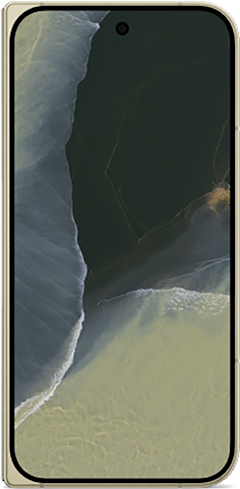
Galaxy Z Fold8 5G 512GB
- 7.6 inch display
- Rear Cameras: 50MP, 50MP
- Front Cameras: 10MP, 10MP
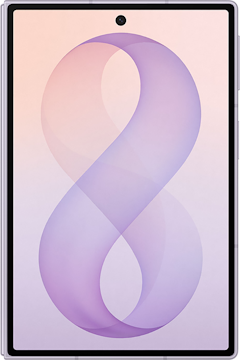
Galaxy Z Fold8 5G 1TB
- 7.6 inch display
- Rear Cameras: 50MP, 50MP
- Front Cameras: 10MP, 10MP
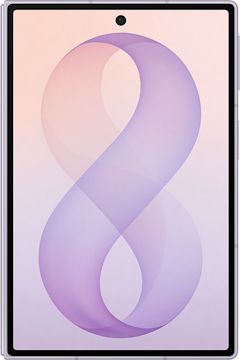
Pixel 10 Pro Fold 256GB
- 8 inch display
- Rear Cameras: 48MP, 10.5MP, 10.8MP
- Front Cameras: 10MP, 10MP

Galaxy Z Fold5 5G 256GB
- 7.6 inch display
- Rear Cameras: 50MP, 12MP, 12MP
- Front Cameras: 4MP, 10MP

Galaxy Z Fold5 5G 512GB
- 7.6 inch display
- Rear Cameras: 50MP, 12MP, 12MP
- Front Cameras: 4MP, 10MP
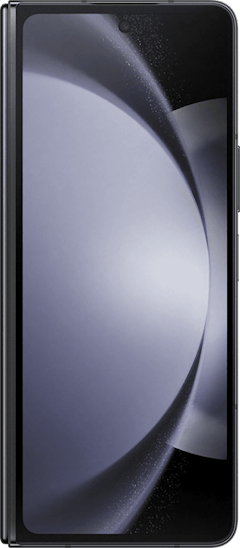
Galaxy Z Fold7 5G 512GB
- 8 inch display
- Rear Cameras: 200MP, 10MP, 12MP
- Front Camera: 10MP
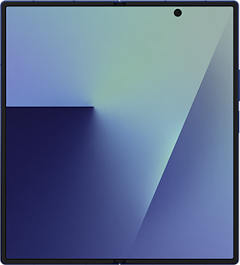

For a more in-depth picture of these phones, take a look at our guide to the best foldable phones for 2026.
Are foldable phones worth it?
I've genuinely loved my Galaxy Z Fold5. Split-screen multitasking is something I use every day, and the novelty of the form factor hasn't worn off after two and a half years, which I didn't expect.
When it's time for a new phone, I'll probably go back to a standard flagship—but that's a personal decision based on how I use my phone and ultimately price, not a knock on foldables. They're impressive pieces of technology that have gotten meaningfully better with each generation, and I believe they have definitely outgrown the label of a gimmick.
Still not sold on a foldable phone?
Foldables are impressive, but they're not for everyone. The good news: There are a lot of great phones out there that don't cost $1,800 or come with a learning curve. Check out our picks for the best Android phones and best iPhones to find the right fit for you.
Foldable phones: FAQ
What are the biggest problems with foldable phones?
App optimization is the biggest problem with foldable phones. Since most apps still aren't designed for a large inner display, you'll regularly run into stretched or letterboxed layouts.
What is the difference between a flip phone and a fold phone?
A flip phone folds vertically in half, making a full-sized smartphone more compact when it's closed, meaning you don't get any extra screen space. A fold phone opens horizontally like a book, revealing a large inner display that's closer to tablet size.
Is the crease on a foldable phone really noticeable?
In normal lighting at a standard viewing angle, most people stop noticing it pretty quickly. It becomes more visible in direct sunlight or on a light-colored background. It's gotten noticeably better with each generation but hasn't gone away completely. However, Samsung has said that the new Galaxy Z Fold8, which comes out later this year, will be creaseless, so this may not be an issue for much longer.
Should I wait for the iPhone Fold before buying a foldable?
If you're on an iPhone and don't want to switch to Android, it makes sense to wait since the iPhone Fold is expected later in 2026. If you're already on Android, the current lineup is solid enough that waiting isn't necessary. Either way, the iPhone Fold's entry into the market could improve app optimization across the category, benefiting everyone with a foldable phone.
What is the average lifespan of a foldable phone?
Samsung rates its current hinges for 200,000 folds, which works out to roughly five years at 100 folds per day. Is a foldable phone durable? In my experience, yes. Two and a half years in, I have noticed no real degradation in quality, and the hinge feels just as strong as it did when I first got it.
Scott Houghton
Jr. Staff Writer

Thousands of cell phone plans unpacked. All the facts. No surprises.




.png?w=280&h=280&usm=20&usmrad=0.8&fit=crop "The Best Cheap Phone Plans for 2026: We Tested Them All to Help You Save")