If you’ve tried Apple’s State of Mind mood tracker in the Health app, you’ve probably begun to build a picture of your mental wellbeing. However, don’t forget that mental health involves more than just your mind.
Apple’s State of Mind feature isn’t designed to live in isolation. Within the Health app, mood entries sit alongside other data points, including sleep, exercise, and additional life factors. While some of these are manually tracked, most are collected automatically through your Apple Watch.
Sleep data is one of the most crucial additions to combine with your mood logs. As one of the most important factors in your physical health, when sleep is viewed as part of Apple's mental health features, mood logs become easier to understand and show a more complete picture of your mental well-being.
What is the State of Mind mood log?
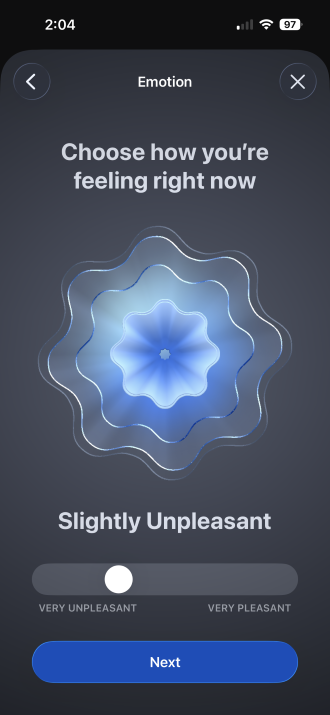
Image: Max McCaskill
State of Mind is a mood tracker developed by Apple for the Health app.
It’s intentionally simple, with users quickly logging how they feel at a point in time, without needing to justify or analyse anything in depth.
That simplicity makes the feature easy to use, but it also means the entries don’t explain themselves. Simply logging that you had a bad day doesn’t provide the full context of your health. That’s where additional Health app data becomes relevant.
Sleep data adds physical context to your mental state
The Health app tracks sleep separately using your Apple Watch, recording duration and patterns over time. When viewed alongside mood entries, sleep data can highlight overlaps that aren’t obvious from mood tracking alone.
On days with a poor sleep score, you may see that you generally have a lower mood. Days with a better sleep quality might give you more energy and a more positive outlook. Seeing that certain mood entries cluster around shorter nights or disrupted sleep can help explain why your moods feel inconsistent from day to day.
Remember, these features aren’t for diagnosing conditions or drawing medical conclusions about your mental health. Instead, they’re designed to push you to make healthier decisions for your mental wellness by seeing how these factors can impact your mood.
How to track your sleep data for State of Mind
Tracking your sleep data for State of Mind is easy; you simply need to purchase a smartwatch.
The Apple Watch is the best choice since it’s already integrated into the Health app. As you sleep, the watch automatically records health measurements like your heartbeat, breathing, and REM sleep levels, then adds them to the State of Mind tracking data.
Many other smartwatch brands have these same features, but they require third-party apps to sync their data with the Health app.
Other smartwatch brands compatible with the iPhone include:
- Garmin
- Fitbit
- Amazfit
The bottom line: Sleep data can improve your mental health
State of Mind works best when it’s treated as part of a broader picture. Including sleep data won’t explain your entire mood, but it can add context that mood logs alone can’t provide.
If your mood tracker entries feel confusing or inconsistent, that doesn’t mean the system has failed. It may simply mean you’re missing the surrounding information that gives those entries meaning.
When viewed together, mood tracking and sleep data can show you the kinds of habits you need to create to have a better picture of health overall.
Max McCaskill
Sr. Staff Writer

Thousands of cell phone plans unpacked. All the facts. No surprises.

Related Articles


Related Topics
iOS FeaturedPopular Topics
Featured App Reviews iOS News Coverage Device Reviews Device Explainers Carrier Explainers App Roundups T-Mobile


Free iPhone 18 Pro, up to $1,200 off, with a trade-in in any condition or a line switch on Experience Beyond





.png?w=280&h=280&usm=20&usmrad=0.8&fit=crop "The Best Cheap Phone Plans for 2026: We Tested Them All to Help You Save")