Article Summary
Your phone could be slow due to:
- Low battery life.
- Poor battery health.
- Full storage capacity.
- An out-of-date operating system.
- Slow internet or mobile data.
- Background app refreshing.
- A full cache that needs clearing.
Depending on your issue, fixing your slow phone could be as easy as swapping your battery, deleting some apps, or performing a soft reset.
There’s nothing more frustrating than a slow smartphone. Whether your apps won't load or your texts are left hanging, there are sundry scenarios that can leave you shouting, "Why is my phone so slow?!"
Never fear—fixing a lagging iPhone or slow Android phone is likely a matter of just a few quick adjustments. We'll help you pinpoint why you have a slow phone and troubleshoot some easy fixes to get your device back to its former glory.
Why Your Phone Is Slow
From app hoarding to overdue system updates, there are a number of reasons why your phone may be slow. Here are some of the top culprits.
It's Low on Battery
Like you without your morning coffee, your phone doesn't function as well without the proper fuel to get it going. The longer it goes without a charge, the harder it has to work to execute the functions you're asking for. Charge your phone and see if that does the trick. If not, see if its performance improves while connected to power. This might indicate a problem with your battery itself—which leads us to our next possible suspect.
It Has Poor Battery Health
In some cases, you may be looking at more than just a drained battery—it might be on its last legs altogether. Phone batteries wear out over time, with their overall capacity diminishing to the point where a full charge no longer holds 100% power. And as previously discussed, less power equals a slow phone.
If your phone is more than a couple years old, check its battery health in the device settings. It will show you the maximum percentage of its original capacity it can hold on a full charge. If yours is starting to trend downward, that could be the culprit for your phone's slow speeds.
Depending on your device, you may be able to swap your old phone battery for a fresh one. But if you have an older iPhone or Android anyway, it may also just be more economical (and exciting) for you to upgrade your phone to a new model, like one of these:
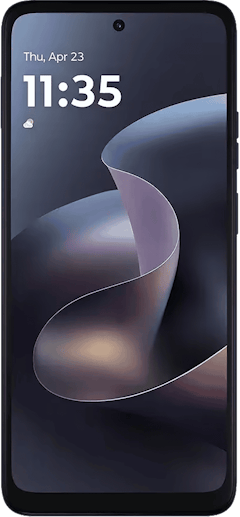
Moto G 5G (2026) 128GB
- 6.7 inch display
- Rear Cameras: 50MP, 2MP
- Front Camera: 32MP
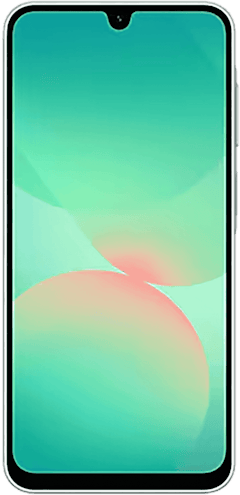
Galaxy A26 5G
- 6.7 inch display
- Rear Cameras: 50MP, 8MP, 2MP
- Front Camera: 13MP
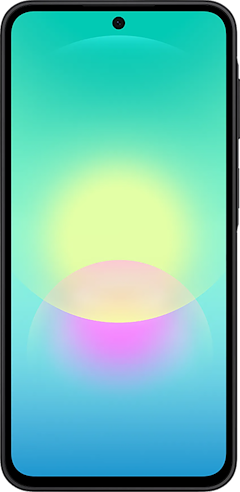
Galaxy A27 5G 128GB
- 6.7 inch display
- Rear Cameras: 50MP, 5MP, 2MP
- Front Camera: 12MP
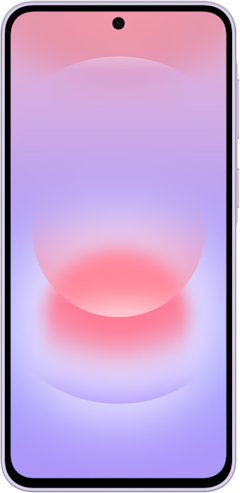
Galaxy A37 5G 128GB
- 6.7 inch display
- Rear Cameras: 50MP, 8MP, 5MP
- Front Camera: 12MP
Edge (2026) 128GB
- 6.3 inch display
- Rear Cameras: 50MP, 50MP, 10MP
- Front Camera: 50MP


Too Many Apps
We basically store our entire lives on our phones, so it's no wonder they often struggle to keep up. From photos to music to games, the numerous apps and files on our devices can heavily contribute to lagging performance.
If you have a tendency to leave all of your apps open in the background, they're still drawing on your phone's power even when not in use. Instead of just exiting the app, make sure to properly close it out when you're finished by swiping it away. Periodically groom your apps as well to delete the ones you haven't used in a while.
Similarly, go through your photos and delete those that you don't want to store locally anymore (after all, who doesn't have dozens of random screenshots saved, intentional or otherwise?). For the rest, consider offloading them onto an external hard drive or keeping them in cloud storage to free up space on your device—and kick its speed back into high gear.
Your Operating System Is Out of Date
Have you checked your phone's software version lately? If not, there's a good chance you have a system update waiting for you, which could be why your phone is so slow.
Software updates often include speed and operating improvements. Plus, if your apps have been optimized for a software version that you haven't yet installed, they could be drawing more juice from your phone than necessary until you update. You can see which iOS or Android version you're running in your phone's settings app.
Your Internet Is Slow
If you notice your phone isn't loading pages and apps as quickly when it's on WiFi, it could have nothing to do with your device at all—you might have a wonky internet connection. Run an internet speed test a few different times throughout the day to get a picture of how fast your internet is during peak traffic as well as slower usage hours. If it's not as fast as you know it should be, you've found your issue.
WhistleOut Tip: Fixing Your Slow Internet
If your slow phone performance is internet-related, we’ve got a guide for that. Jump over to our breakdown of why your internet might be lagging to get some troubleshooting tips.
If your phone slows down only once you're on cellular data, you might want to look into a faster data plan—or a different carrier. Most of the popular activities we perform on our cell phones require 4G LTE speeds for optimal performance, and not all carriers have the same 4G LTE coverage. Verizon consistently comes out on top in network coverage, followed closely by AT&T. Check out Verizon's Unlimited Plus plan for a combination of superior network performance (including 5G access), unlimited premium high-speed deprioritization data, a generous mobile hotspot data allowance, and available discounted entertainment perks.
Verizon Unlimited Plus

| Carrier | Verizon |
|---|---|
| Data | Unlimited Data |
| Type | No Contract |
| Total Price |
$80 per month
+ Taxes & Fees. Price includes AutoPay & Paperless discount.
+ $40 Upfront
|
| View Plan |

Fixes to Speed Up Your Phone
In addition to the solutions offered above, you may want to try a few other quick fixes for your slow phone:
- Do a soft reset. This is a gentler option than a factory reset, which wipes your phone entirely. A soft reset simply clears your phone's random-access memory (RAM), where bits of code get scattered and fill up over time. Consider it Spring cleaning for your phone!
- Clear your cache. You probably use your phone as much as (or more than) your computer to browse the internet—which means there's probably a ton of data stored that needs clearing out. Find your phone's browser settings (Safari for a slow iPhone, Chrome for an Android device) and clear your cookies and cached data to see if that improves your phone speed.
- Disable animations, haptic feedback, and other system enhancements. While it's super cool that your iPhone icons look like they're floating on your screen, that technology takes up processing bandwidth that, in combination with other factors mentioned here, could be slowing down your device. Run through your display and accessibility settings and choose which enhancements you want to keep, and which you can do without.
- Turn off background app refreshing. Your phone could be doing tons of work without you realizing, because it's constantly refreshing apps that you may not even be using. Turn off you background app refresh and instead set them to only update or refresh while you're using them.
- Perform a factory reset. The factory reset is the nuclear option, as you'll lose all of your apps, stored passwords, and other customizations on your phone. But if none of the above fixes are working, you may need to go this route. Before resetting your phone to factory defaults, back it up to the cloud or to your computer. That way, you can choose what to restore when your phone's system is back up and running.
Data Plans for Faster Phone Speeds
Once you've got your device functioning at full throttle, don't let your cell phone plan slow you back down! Make sure your plan offers plenty of 4G LTE data, or even 5G access for the fastest phone speeds around. (Just make sure you have a 5G-enabled device!)
WhistleOut's phone plan search tool can help you compare plans from all of your favorite providers. Here are some of the top phone plans with enough high-speed data to keep you trucking along.
|
#1
|
Visible 
|
|
|
#2
|
Mint Mobile 
|
|
|
#3
|
US Mobile 
|
|
|
#4
|
AT&T 
|
|
|
#5
|
T-Mobile 
|
|
|
#6
|
Verizon 
|
|
|
#7
|
AT&T
|
|
|
#8
|
Verizon
|
|
|
#9
|
AT&T
|
|
|
#10
|
T-Mobile
|


Lauren Hannula
Managing Editor

Thousands of cell phone plans unpacked. All the facts. No surprises.
Related Articles


Related Topics
Device TroubleshootingPopular Topics
Featured App Reviews iOS News Coverage Device Reviews Device Explainers Carrier Explainers App Roundups T-Mobile


Free iPhone 18 Pro, up to $1,200 off, with a trade-in in any condition or a line switch on Experience Beyond