Are you wondering why your mobile data is slow? There are many reasons why you're not getting the fastest internet speeds. Some of the most common reasons why your cellular internet speeds may be slow include:
- Heavy network usage
- Data roaming
- Throttling and/or deprioritization
- A full browser cache
- Slower data speeds in your cell phone plan
- An outdated operating system or older cell phone
Fixing your slow phone data speeds can be as easy as tweaking your phone settings, downloading a data boost app, or switching cell phone plans, among other solutions.
Reasons why you're experiencing slow mobile data
Network congestion: There's a traffic jam
Depending on the time of day, your slow 5G or 4G LTE data speeds could be attributed to high data usage on an overloaded cellular network. Early mornings and evenings tend to be when most people hop on their phones (though we won't fault you the occasional peek at Instagram while working!). The more people using your cell network at once, the less bandwidth there is for all of those signals to travel through, creating a sort of backup.
Observe which times of day your data is especially slow and adjust your streaming/gaming/TikTok-ing accordingly. If you can, hop onto your home Wi-Fi to give your cell network a break.
You're roaming (and you don't want to)
If your data tends to slow when you're away from home, check out that little icon in the top corner of your phone—the one that (most likely) usually says "5G" or "4G LTE." something else, there's a very good chance you've left your carrier's network range and are now roaming on a different one.
The easy fix here is to head back to an area where your carrier offers coverage—your data should return to the speeds you're used to. But if your daily activities often take you out of network, it may be time to consider switching carriers.
What is data roaming?
Your mobile carrier's network offers coverage where they have towers that can communicate with each other. Verizon, for example, has the best network coverage in the U.S. because its towers are quite prevalent across the U.S. and are built near one another for optimal signal transfer. That's why Verizon's data is rarely slow in populated areas.
Once you cross into an area without a tower that your network uses, your signal will "roam" until it finds the nearest one run by a different carrier with which your network provider has an agreement. This allows you to maintain your voice and data service, but your speeds typically slow down as a result.
For detailed info, hop over to our breakdown of data roaming.
You're being deprioritized
If you've been a bit of a data hog lately (no judgment here!), your carrier may be throttling or deprioritizing your data. This means that once you've hit your monthly data limit, your speeds will be slowed for the remainder of your billing cycle to give priority to customers who still have some data in the bank. Even unlimited plan subscribers are subject to throttling and deprioritization, which is why you'll often see carriers advertise a certain amount of "premium" data before you'll experience slow service.
Even if you're well within your data limits, deprioritization can still happen, especially if you subscribe to an MVNO. During times of peak congestion, customers on smaller prepaid carrier networks will be deprioritized in favor of those on the parent/major carrier's network.
Your cache is full
Your mobile browser stores (or "caches") your history and cookies just like your computer browser does. This allows it to quickly access data without having to re-download everything each time you visit a site or app—but it also slows your mobile data's performance when it gets too full.
Clear your cache for both your browsing history and your apps and see if your data speeds improve. You can find your history under your iPhone or Android device settings.
Your data plan needs a boost
How Much Data Do You Need?
Not sure exactly which data plan you should go for? It can be hard to assess exactly how you use your data in a given month, so we've broken it down for you by some of the most popular apps and activities. Check out our data usage guide for details!
Depending on your habits, your slow 5G or 4G LTE data may simply mean you need a bigger phone plan than the one you currently have. As mentioned, limited-data plans (especially those from MVNOs) typically offer a specific amount of 4G LTE data, and then your speeds slow until the next month. This isn't great news if you're a data-heavy user—or if you share a family plan with one.
If your Fortnite addiction has you consistently running up against this high-speed limit, it may be time to consider an unlimited data plan from one of the major carriers. Mint Mobile, for example, lets you mix and match its plans, including its uber-popular Unlimited plan, for each line on your account, so each person gets exactly what they need.
|
#1
|
Mint Mobile

Unlimited Data Plan
$10.00/mo
$60 for 6 months of service
|
|
#2
|
Mint Mobile
17GB Data Plan
$10.00/mo
$60 for 6 months of service
|
|
#3
|
Mint Mobile
6GB Data Plan
$10.00/mo
$60 for 6 months of service
|
|
#4
|
Mint Mobile
Mint Kids Plan
$15.00/mo
$45.00 upfront payment for 3 months <br>(equals to $15.00/month). <br>Intro pricing for new customers only.
|
|
#5
|
Mint Mobile
23GB Data Plan
$10.00/mo
$60 for 6 months of service
|
It really is your phone's fault
If you've exhausted your options above, you might actually be looking at an issue with your phone. It may just need a little pruning—storing tons of apps, photos, and videos takes up a ton of brainpower and therefore slows everything down. Your phone's operating system may also need an update—outdated software on an iPhone or Android often contributes to slow data connectivity.
If you suspect your phone is the culprit for your slow service, there are a number of tips for speeding up your phone you can try. Or you can treat yourself to a shiny new smartphone with all the speed you could need! Older devices often struggle to keep up with newer internet technology they weren't built to handle. WhistleOut's phone finder tool can help you find a new device with the features you want at your personalized budget.
Here are some of the top devices on the market to get you started.
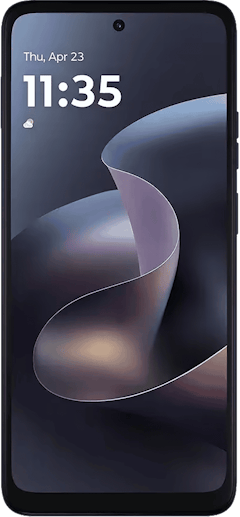
Moto G 5G (2026) 128GB
- 6.7 inch display
- Rear Cameras: 50MP, 2MP
- Front Camera: 32MP
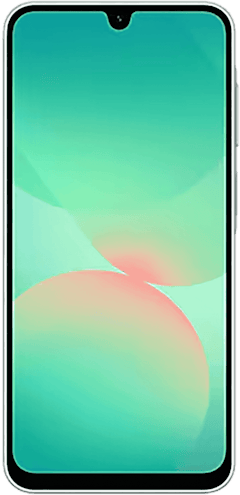
Galaxy A26 5G
- 6.7 inch display
- Rear Cameras: 50MP, 8MP, 2MP
- Front Camera: 13MP
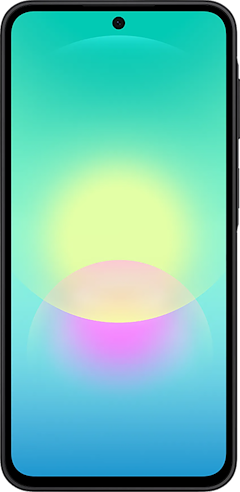
Galaxy A27 5G 128GB
- 6.7 inch display
- Rear Cameras: 50MP, 5MP, 2MP
- Front Camera: 12MP
Galaxy A37 5G 128GB
- 6.7 inch display
- Rear Cameras: 50MP, 8MP, 5MP
- Front Camera: 12MP


How to fix slow mobile data download speeds
In addition to the solutions to the issues above, there are a few other options you can try to speed up your mobile data.
1. Install a data speed boosting app
These apps use a number of tactics to speed up your mobile data, including halting background activity, pinpointing data-hogging apps, mapping out signal towers in your area, and more. There are plenty of contenders for each type of device and operating system, such as Net Optimizer (Android) and NetBooster (iOS).
2. Turn on your browser's "text only" mode
This will stop images and videos from auto-loading, which can often give your data a speed bump. Depending on which browser your phone uses (Safari or Chrome), you may need to go into your settings menu, or you might be able to simply tap the reader symbol (aA) to remove ads and images from the page.
3. Turn off your data saver mode
This feature is excellent if you're trying to stay within your data limits, but horrid for your data speeds. When you need a momentary boost, toggle your "low data" mode off, handle your business, then pop it back on again.
To do so, head into your phone's settings and find your Cellular menu. Then locate your data options (on an iPhone, for example, this is in "Cellular Data Options") and turn your data to full speed.

4. Reset your network settings
This is sort of a last resort option—though not nearly as drastic as a phone hard reset—since resetting your network settings also wipes all of your saved connections, such as WiFi networks and Bluetooth devices. But if your data speeds are still slower than you know they should be, resetting your network settings can give your phone's connectivity a fresh start.
5. Change your location
You may receive a stronger signal in a different area of your home, school, workspace, or another area you're in. Moving even just a couple of feet could help your cell signal reach your phone's radio more easily and boost your mobile data speed.
Depending on whether you're connected to a 4G LTE or 5G network, your signal may not be strong enough to penetrate certain objects (like walls). If you're indoors, try heading outside.
6. Disconnect background usage
Even when you're not using them, apps on your phone (especially large ones) can take up precious bandwidth by constantly running in the background. When this happens, your usage on other apps will slow because your signal is trying to support multiple access points at once.
You can combat this by heading into your phone's settings menu and finding your cellular usage section. Here, you can see which individual apps are allowed access to your cellular connection, and whether you've given them permission to run in the background. Tapping on the app's info will usually allow you to disable background usage.
7. Upgrade to a 5G phone and phone plan
If all else fails, it may simply be time to upgrade your phone and plan to the latest technologies... which, today, means 5G. If your phone is older, it may not have the required radio built in to connect to 5G signals, which are the fastest data signals available. Similarly, your phone plan needs to provide access to your carrier's 5G network; otherwise, you'll always be stuck on 4G LTE or lower, even if 5G is in your area.
Take a peek at some of the best 5G phones currently available, and get yourself a 5G-enabled data plan to boost your slow mobile data speeds to their maximum potential.
|
#1
|
Visible

$25 Visible Plan
$25.00/mo
Taxes & Fees included
|
|
#2
|
Mint Mobile
Unlimited Data Plan
$10.00/mo
$60 for 6 months of service
|
|
#3
|
Verizon

Simplicity Plan
$30.00/mo
+ Taxes & Fees. Price includes AutoPay & Bring a Number discount
|
|
#4
|
US Mobile

Unlimited Starter Plan
$10.00/mo
|
|
#5
|
T-Mobile

Experience Beyond 2.0
$100.00/mo
with Auto-Pay + Taxes and fees
|
Best cell phone plans for faster data speeds
If your cell phone plan simply isn't up to snuff, it's easy to find one that works better for you. Just use WhistleOut's phone plan search tool! Quickly compare plans and carriers specific to your address and budget to find one with enough speedy 4G LTE data (or even 5G access) to match your mobile habits.
Ready to make the switch? Check out our picks for the best cell phone plans on the market and browse through some of the most popular unlimited 4G LTE and 5G plans.
|
#1
|
Visible 
|
|
|
#2
|
Mint Mobile 
|
|
|
#3
|
Verizon 
|
|
|
#4
|
Verizon
|
|
|
#5
|
US Mobile 
|


Lauren Hannula
Managing Editor

Thousands of cell phone plans unpacked. All the facts. No surprises.





.png?w=280&h=280&usm=20&usmrad=0.8&fit=crop "The Best Cheap Phone Plans for 2026: We Tested Them All to Help You Save")